Professional electro-physical weed control
Use electricity to treat the plant through its conductive tissue and root system
Electric weeders deliver controlled high-voltage energy through the target vegetation. The plant's resistance converts that energy into heat, disrupting cells, damaging chlorophyll and creating a systemic treatment without herbicide residue.
Choose by treatment pattern
Start with how the electricity must reach the weed.
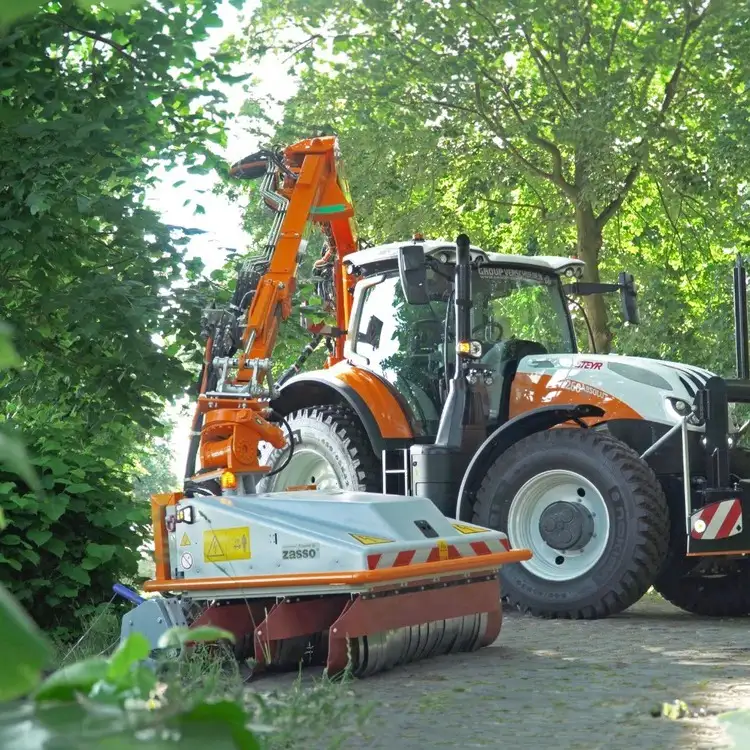
A narrow electrode gives selective spot treatment. A flexible electrode array treats the full surface between positive and return contacts. Tractor systems extend the same principle across wider routes or difficult terrain.
Pedestrian electric weeders
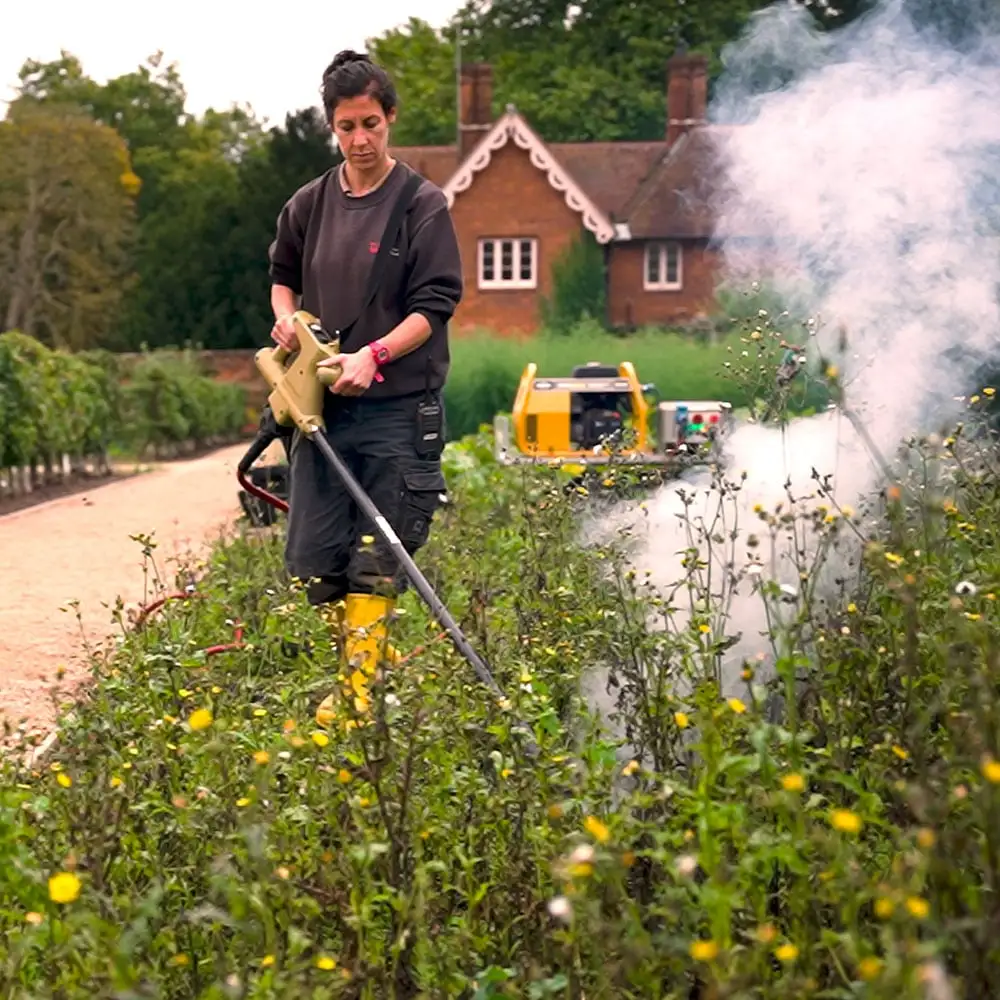
Choose the Zasso Zap Weeder for continuous contact across pavements, paths and courtyards. Choose the Kersten Electric Lance when the task is individual plants, awkward access or invasive species that require deliberate spot treatment.
Pedestrian electric weed-control products
Zap Weeder 5.3
Zasso Zap Weeder
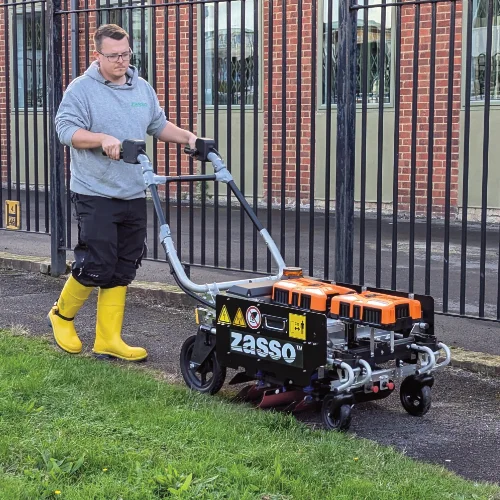
Battery-powered 60 cm walk-behind machine using flexible stainless-steel electrodes to treat hard surfaces, kerb lines, walls and obstacles.
Checking current price...
View product →.webp)
K EW001
Kersten Electric Weeding Lance
Selective high-voltage lance for individual plants, sensitive surroundings and invasive species including Japanese knotweed and giant hogweed.
Checking current price...
View product →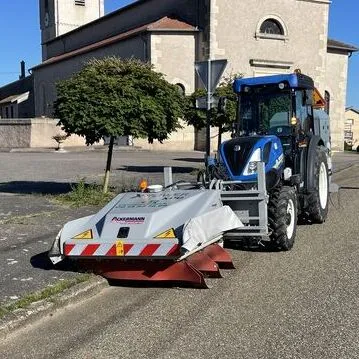
Tractor-mounted Zasso systems
CityZas provides a compact 1.2 m route for urban streets and kerbside work. Urban XPA combines a high-output generator with a 7.2 m hydraulic arm for banks, elevated areas and highway margins where reach and operator separation are critical.
Tractor-mounted electric weed-control products
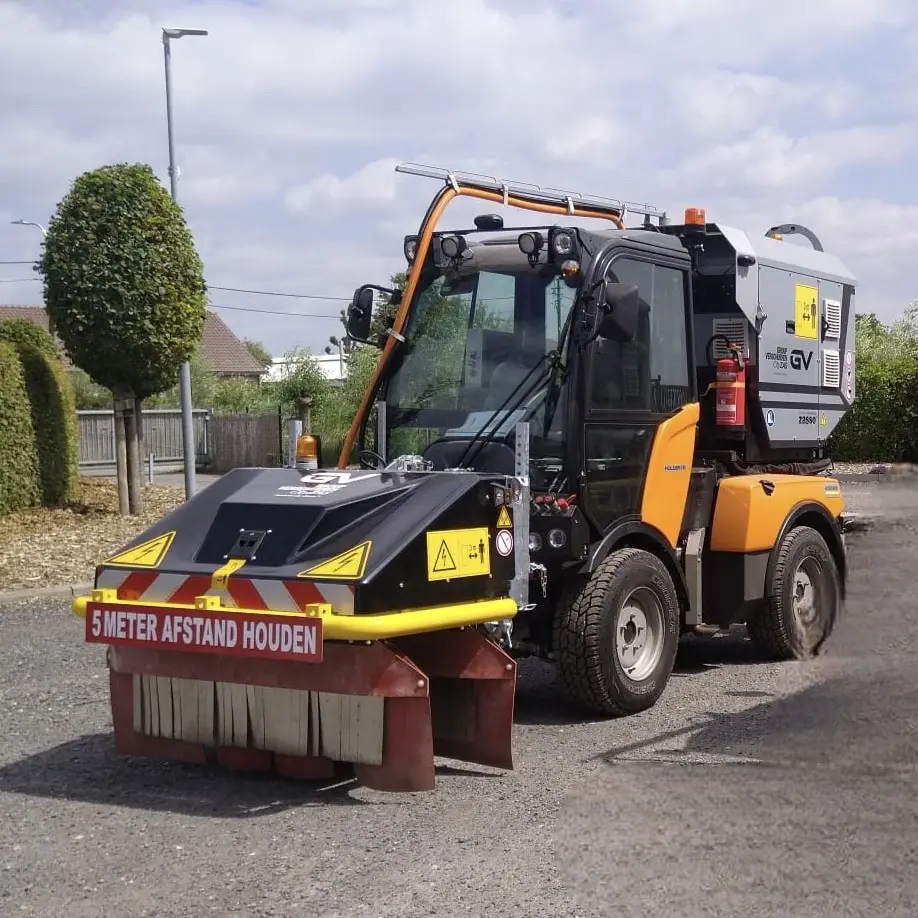
ZAP - CityZas
Zasso CityZas
Compact tractor-mounted system with an offsetable 1.2 m applicator for urban streets, pavements, commercial districts and station environments.
Request a quotation
View product →ZAP - XPA
Zasso Urban XPA
Extended-reach tractor system with a hydraulic arm, 360-degree treatment head and automatic levelling for highways, slopes and difficult terrain.
Request a quotation
View product →How electro-physical treatment works
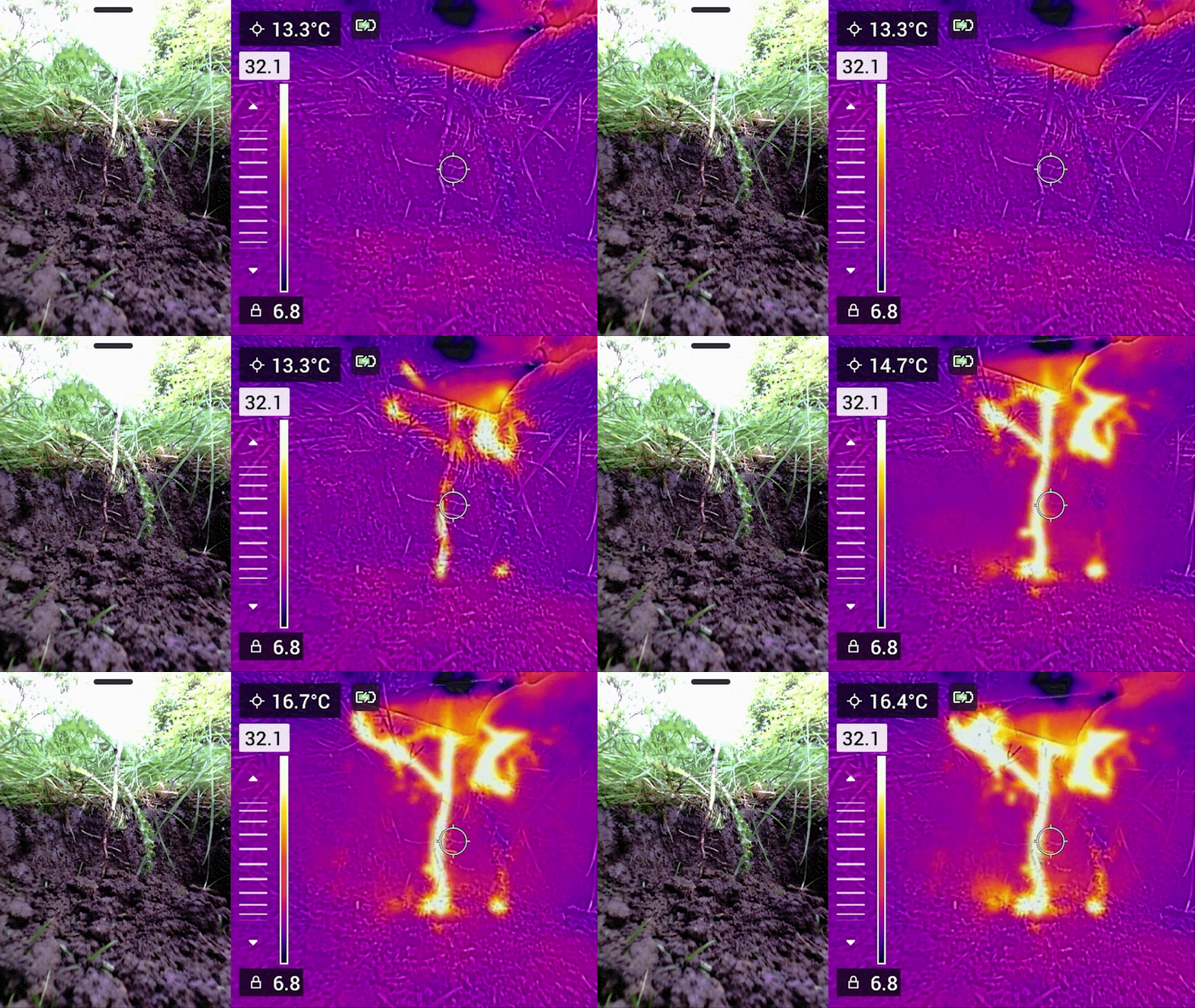
The visible effect comes from heat generated inside the plant—not from burning the outside.
High voltage establishes a controlled circuit through the target vegetation. The plant's electrical resistance generates heat, causing water in the cells to boil and damaging plant structure and chlorophyll. The response is not always immediate scorching; treated vegetation normally wilts, decays and dries after application.
Make contact
Position the electrodes or lance so the intended plant and return path form the treatment circuit.
Deliver controlled energy
The system adjusts high-voltage output to the resistance presented by the target and surface.
Generate internal heat
Resistance creates heat in the plant tissue, disrupting cells and damaging the plant's energy-producing system.
Inspect and repeat where needed
Young, water-rich growth is generally easier to treat; larger established plants may require repeat applications.
Selection principles
Voltage alone does not select the machine.
Application pattern, target plant, surface resistance, route length, carrier access and the ability to manage a high-voltage working zone determine which system is practical.
Target pattern
Decide whether the work is individual-plant treatment or continuous coverage across a route.
Plant and moisture
Plant size, water content and root establishment influence energy transfer and repeat-treatment requirements.
Surface and access
Hard paving, soil, kerb lines, slopes and restricted access require different electrodes and carriers.
Safety system
Training, PPE, exclusion zones, emergency stops and insulation monitoring are part of the equipment choice.
Electric weeder selector
Start with the treatment pattern, carrier and reach.
This guide narrows the likely system. A final recommendation requires a site assessment, electrical-safety plan, operator-training route and confirmation of all required accessories.
At-a-glance comparison
Four systems, four different operating patterns.
Published figures are a starting point. Final performance depends on target vegetation, surface, contact quality, working speed, carrier integration and the agreed safety method.
| System | Best fit | Key published figures | Operating model |
|---|---|---|---|
| Zasso Zap Weeder | Pavements, paths, courtyards and repeated hard-surface routes | 60 cm · 10 kV · 1.5–3 km/h | Battery walk-behind surface-contact electrodes |
| Kersten Electric Lance | Individual weeds, invasive plants and sensitive locations | 3 / 4 / 5 kV · 170 cm lance · 20 m cable | Targeted lance with generator and grounding return |
| Zasso CityZas | Urban streets, sidewalks, kerbs and compact municipal routes | 1.2 m · 18 kW · 65 hp+ | Tractor-mounted offsetable applicator |
| Zasso Urban XPA | Highways, banks and difficult terrain requiring reach | 7.2 m reach · up to 36 kW · 200 hp+ | Tractor-mounted hydraulic arm and levelling head |
Professional high-voltage operation
The safety system includes the machine, operator, site and public-control plan.
These are professional systems. Product-specific training, PPE, exclusion zones and the manufacturer's operating procedure are essential parts of every application.
Certified operator training
Operators require product-specific instruction covering setup, contact technique, emergency procedures, public areas and current machine controls.
Machine safeguards
Depending on the system, safeguards include two-hand controls, emergency stops, grounding checks, insulation monitoring and non-conductive components.
Controlled working zone
Plan pedestrian and traffic management, PPE, weather, surface condition, buried or nearby infrastructure and the route of the treatment circuit.
Electric weed-management reading
Match the electrical system to the surface and plant.
These articles explain the difference between hard-surface and soil applications and show why targeted electrical treatment is relevant to difficult invasive species.
Technology selection
Treating weeds in hard surfaces and soil with electricity
Compare the voltage, contact pattern and treatment logic required for different surfaces and weed conditions.
Read the article →.jpg)
Invasive species
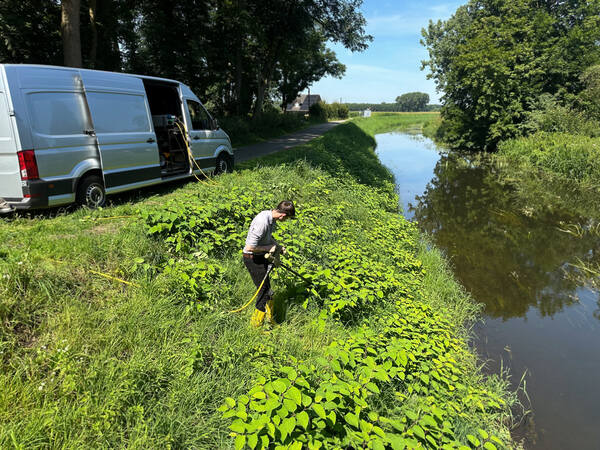
Using electricity to kill Japanese knotweed
See why a targeted systemic lance can support treatment where digging or herbicide use is undesirable.
Read the article →Walk-behind application
Weed control with the Zasso Zap Weeder
Explore the battery-powered surface-contact system, side shift and professional hard-surface applications.
Read the article →Frequently asked questions
Electric weed-control essentials
Correct selection and safe application depend on understanding the circuit, target plant and operating environment.
Does the weed need to look burnt immediately?
No. The treatment generates heat within the plant tissue. You may hear a pop or see early wilting, but decay and drying can continue after the application rather than appearing as immediate external burning.
Which system is best for hard surfaces?
The Zap Weeder is designed for repeatable full-width treatment on pavements, footpaths, courtyards and similar surfaces. The lance is more appropriate when treatment must remain selective.
Why use the lance for invasive weeds?
The lance lets the operator deliberately target an individual plant and direct the electrical circuit through its conductive tissue and root system. It is intended for plants such as Japanese knotweed and giant hogweed as well as isolated amenity weeds.
Can the Zap Weeder treat along walls and kerbs?
Yes. Its flexible electrode paddles and published 5 cm side-shift allow treatment close to walls, kerbs and obstacles while maintaining the surface-contact treatment pattern.
Is special training required?
Yes. These are professional high-voltage systems. Operators require certified, product-specific application training and must follow the manufacturer's PPE, exclusion-zone and operating requirements.
How do CityZas and XPA differ?
CityZas is the compact urban route system for tractors over 65 hp. XPA is the larger extended-reach system for tractors around 200 hp or above, with a hydraulic arm reaching up to 7.2 m.
Confirm the treatment route
Test the electrode, surface, carrier and working method on the actual site.
Kersten can assess the target vegetation, route length, access, surface, carrier, required accessories, training and public-control measures before recommending an electric weed-control system.