Mechanical renovation for gravel paths, drives and tracks
Lift rooted weeds, release compaction and restore the structure of gravel surfaces
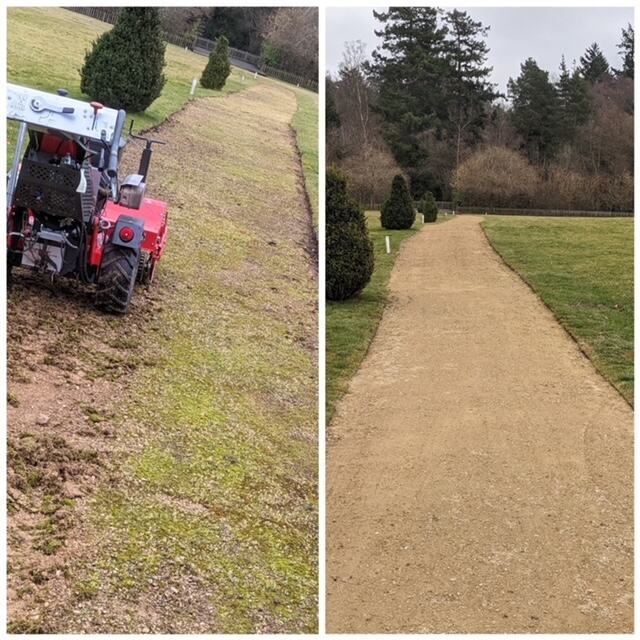
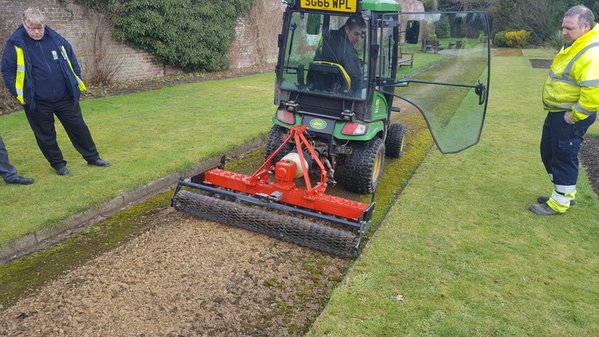
Kersten gravel path renovators cut beneath weed roots and loosen compacted material so arisings can be removed and drainage restored. PH Mini graders then provide the levelling, redistribution and consolidation needed for a clean, durable finish.
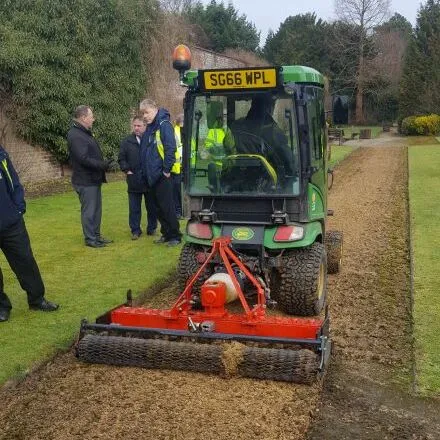
Choose by access, width and surface problem
Gravel renovation equipment for pedestrian routes, tractors and larger restoration work.
Start with the machine that matches the carrier and route width. Then choose the working tool for the surface material and the severity of compaction.
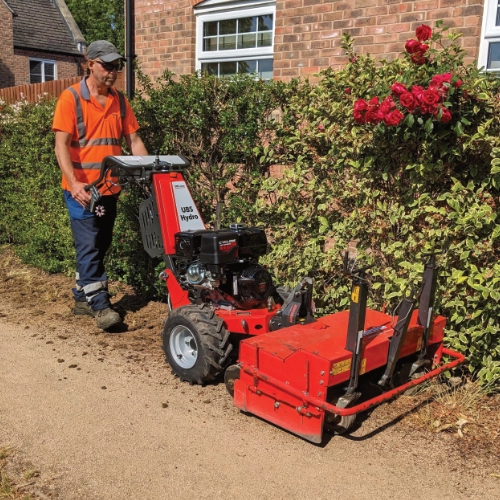
Pedestrian gravel path renovation
For parks, cemeteries, estates and paths where a compact tractor is too large or access is restricted.
Tractor-mounted WE renovators
For cutting under rooted weeds, lifting compacted material and reopening the surface structure on larger gravel routes.
 660.jpg)
WE 110 M-DP
Path Renovator 110 cm
A compact-tractor renovator for paths, access tracks and estate roads, with counter-rotating tools and precise depth adjustment.
Loading current price…
View product →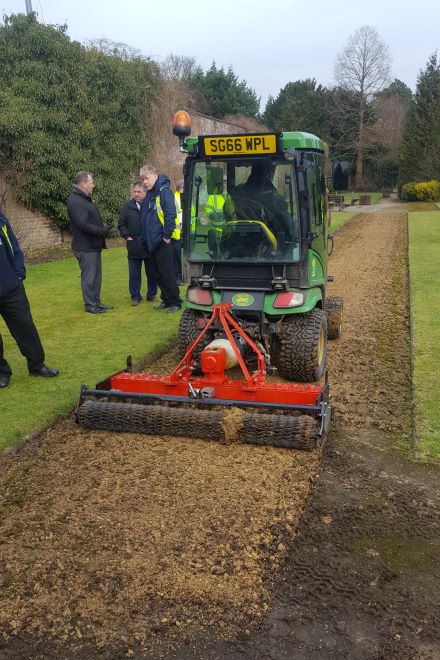
WE 150 M-DP
Path Renovator 150 cm
The higher-output tractor-mounted option for broad paths, drives, estate roads and larger gravel areas requiring deep renovation.
Loading current price…
View product →Two different stages of restoration
Use a renovator to reset the surface. Use a grader to rebuild the finish.
A gravel path renovator works below the surface to release compaction, cut weed roots and lift contaminated material. A grader manages the shape of the route by moving material, repairing levels and consolidating the finished surface.
Choose a WE renovator
When weeds, moss, soil and compaction are the primary problem.
Choose a PH Mini grader
When potholes, uneven levels, camber or material distribution are the primary problem.
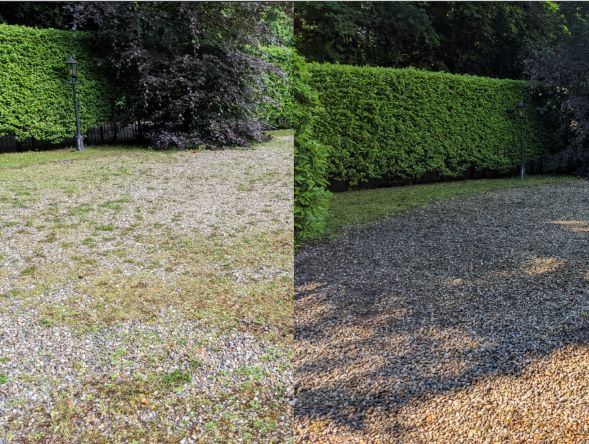
PH Mini gravel path graders
For levelling unsealed routes, redistributing loose material, restoring the running surface and consolidating the finish.
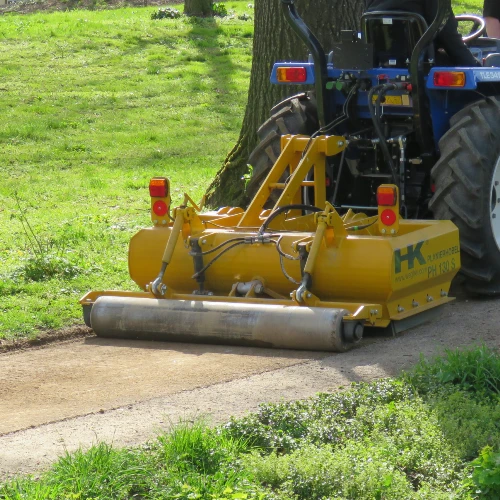
HK 01001
PH 100 Mini gravel path grader
A compact 100 cm grader for narrow tracks and restricted routes, with a rounded rear wall and water-fillable compaction roller.
Loading current price…
View product →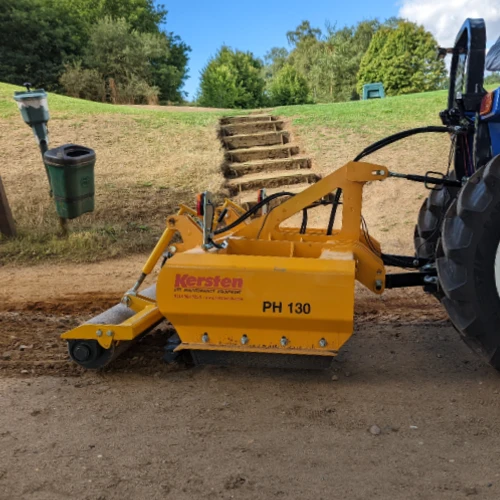
HK 01002
PH 130 Mini gravel path grader
A versatile mid-width grader for restoring levels, redistributing material and improving the finish of compacted unsealed routes.
Loading current price…
View product →
HK 01003
PH 150 Mini gravel path grader
The widest PH Mini route for estate roads, bridleways and larger tracks where levelling, consolidation and material flow are priorities.
Loading current price…
View product →Match the tool to the material
The working tool determines how aggressively the surface is opened.
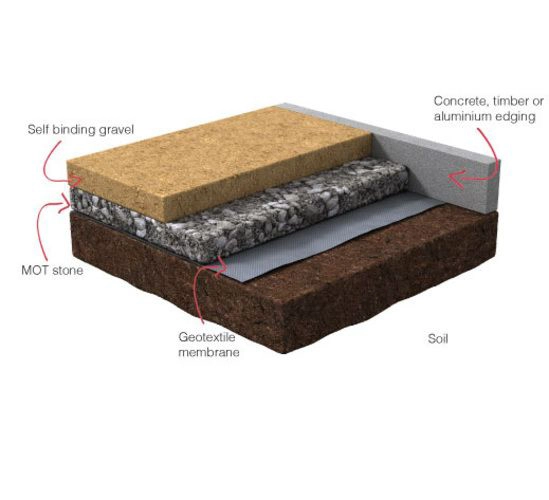
The correct configuration depends on stone type, binding, soil depth, weed pressure and the finish that must be retained.
Angled knife set
For loose gravel and self-binding surfaces. The knives cut beneath roots, lift weeds and release the upper layer for drainage and redistribution.
Carbide chisel set
For highly compacted crushed stone and water-bound surfaces where a more aggressive loosening action is required.
Thick weed-brush set
For tarmac sub-base and similar firm surfaces where moss and weeds must be removed without using the deeper knife treatment.
A complete restoration sequence
Do not stop when the weeds reach the surface.
The long-term result depends on removing the loosened contamination, restoring the route profile and returning to lighter preventative maintenance.
Survey
Check depth, stone type, drainage, edges, potholes, access and carrier suitability.
Renovate
Set the correct tool and depth to cut roots and release the compacted upper layer.
Clear
Blow, rake or collect weeds, soil and organic arisings lifted by the renovator.
Grade
Redistribute usable gravel, repair levels and restore camber or crossfall where needed.
Maintain
Rake, sweep and intervene early before detritus and traffic rebuild deep compaction.
Starting-point selector
Which machine best matches the route?
Select the main problem, available carrier and approximate working width. A site assessment should confirm tool choice, depth and final specification.
Range comparison
Compare the main platforms at a glance.
Working width should generally match or slightly exceed the carrier width while remaining suitable for gates, paths and turning areas.
| Model | Primary role | Working width | Carrier | Best starting point |
|---|---|---|---|---|
| WE 090 M-U 70 | Pedestrian renovation | 90 cm | Kersten UBS Hydro / Alpin | Restricted-access paths with weeds and compaction |
| WE 110 M-DP | Tractor renovation | 110 cm | CAT 1 / CAT 1N tractor | Narrow estate routes and compact tractor widths |
| WE 150 M-DP | Tractor renovation | 150 cm | CAT 1 / CAT 1N tractor | Broad paths, drives and high-output renovation |
| PH 100 Mini | Grading and levelling | 100 cm | Tractor from 30 hp | Narrow tracks and restricted grading work |
| PH 130 Mini | Grading and levelling | 130 cm | Tractor from 35 hp | General estate, park and countryside routes |
| PH 150 Mini | Grading and levelling | 150 cm | Tractor from 38 hp | Wider tracks, roads and larger material volumes |
See the working principle
The surface is opened without removing all of the usable gravel.
The counter-rotating tools release the compacted layer and bring weeds and contamination to the top. The operator can then remove the arisings and retain the restored stone for grading and redistribution.
Practical guidance
Gravel path maintenance articles.
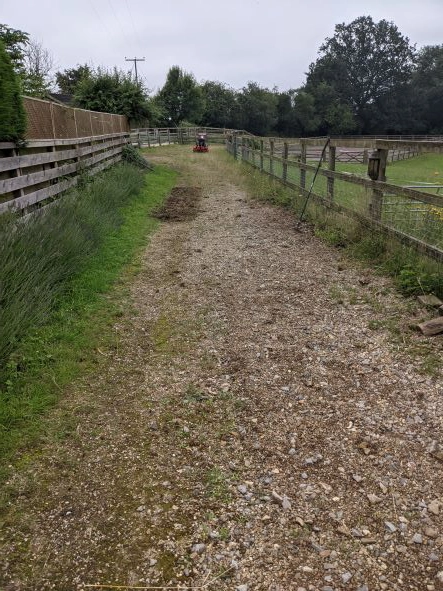
Use the surface condition and intended finish—not only the visible weeds—to plan the intervention.
Frequently asked questions
Planning a gravel restoration programme.
The surface material, depth of contamination and required finished profile determine the machine and tool configuration.
Does a gravel path renovator remove the gravel?
The objective is to loosen the compacted upper layer and lift weeds, roots and contaminated material. Usable gravel remains available for redistribution after the loosened arisings have been cleared.
Which tool should I use on self-binding gravel?
Angled knives are the normal starting point for loose or self-binding gravel because they can cut beneath weed roots while releasing and redistributing the surface layer. Confirm depth and finish on a test area.
When is a chisel set more suitable?
Use the carbide chisel route where crushed stone or water-bound material is too compacted for the angled knives to open effectively.
Do I need a grader as well as a renovator?
A renovator addresses rooted growth and compaction. A grader is valuable when the route also needs pothole repair, level correction, camber restoration or controlled redistribution of material.
How should the loosened weeds and soil be removed?
Rake, blow or collect the arisings after renovation. Leaving the organic material on the route allows it to settle back into the gravel and rebuild the growing medium.
How can I reduce the need for deep renovation?
Regular raking, sweeping, leaf removal, edge control and early weed intervention reduce the amount of soil and organic matter trapped in the surface and help maintain drainage.
Confirm the correct setup
Match the carrier, width, tool and finishing method to the actual gravel construction.
Kersten can assess access, stone type, compaction, weed pressure, drainage, route profile and carrier compatibility before recommending a renovator or grader.