Mechanical weed control
Choose the range by surface, material and carrier.
Mechanical control works by removing the weed, the rooted material or the growth medium supporting it. The correct range depends on whether the material is loose, anchored in joints, compacted into gravel or ready for collection.
Range map
Start with the contact mechanism.
Each range solves a different material condition. Sweeping prevents establishment, weed brushing removes anchored material, gravel renovation works through a compacted loose surface, and collection removes the released arisings.
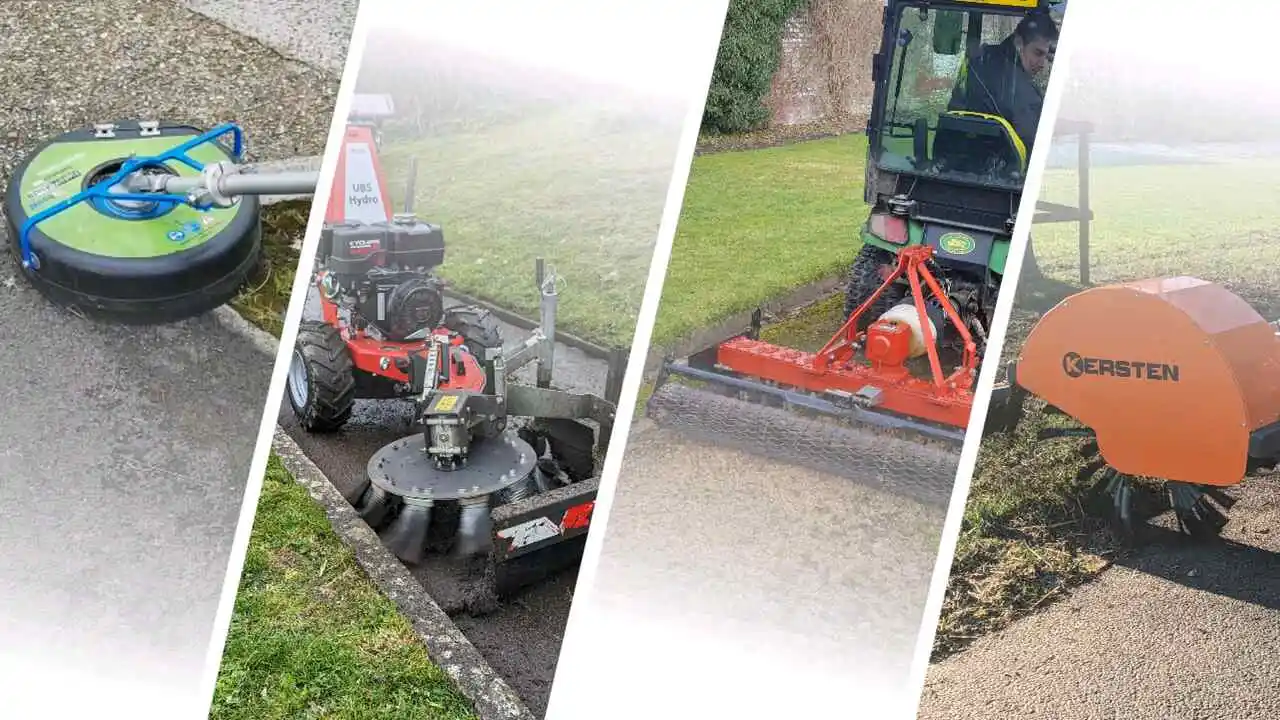
Sweepers
Roller sweepers remove soil, leaves, grit and moss fragments before they develop into a stable growth medium.
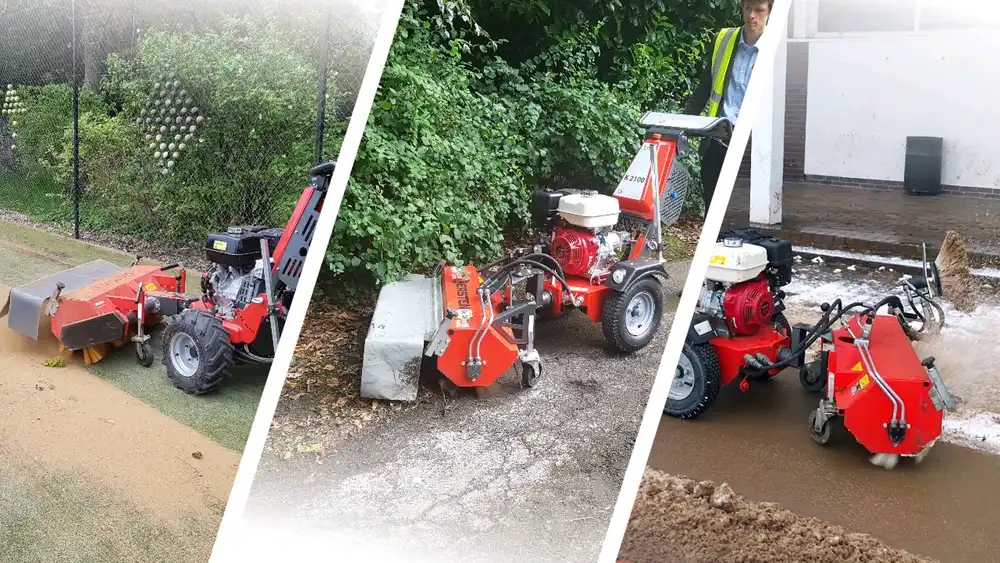
Weed brushes
Purpose-built brush tools lift established weeds and compacted material from joints, kerbs and encroached edges.
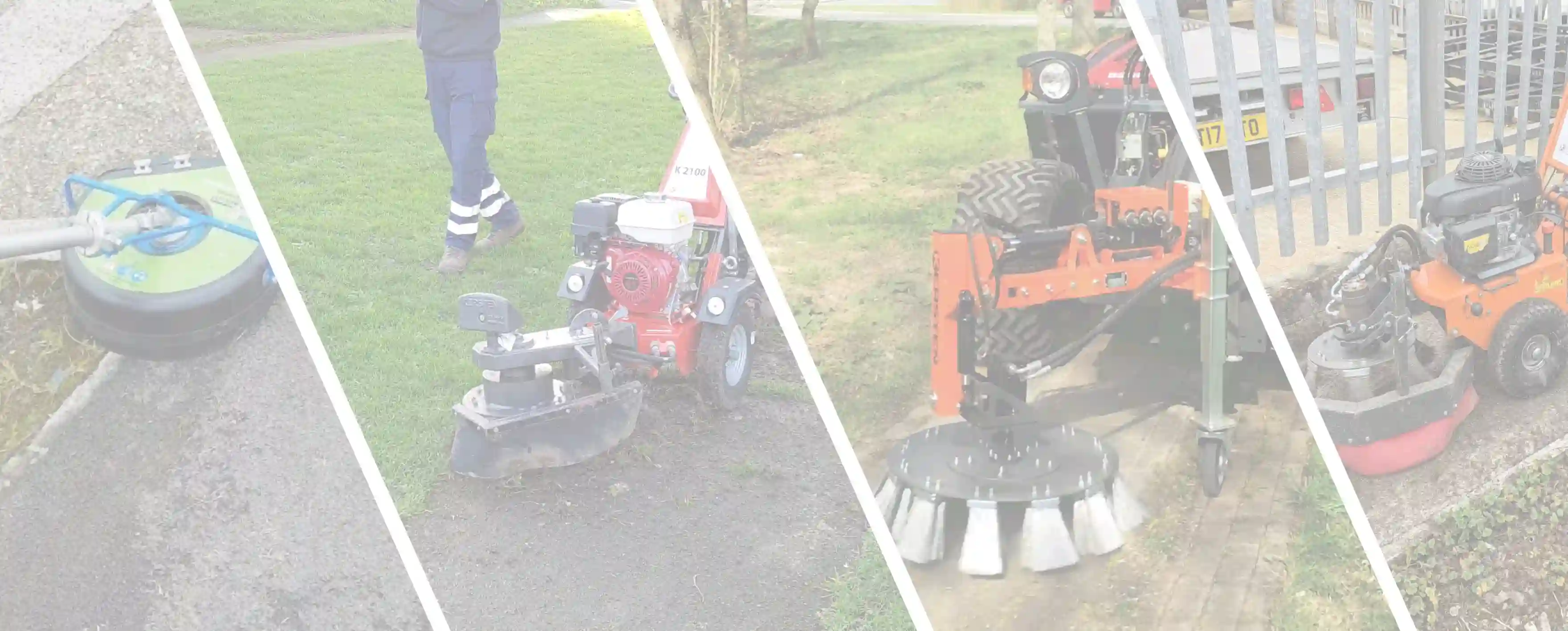
Gravel renovators and graders
Renovators loosen compacted material and cut below roots; graders restore level, camber and consolidation.
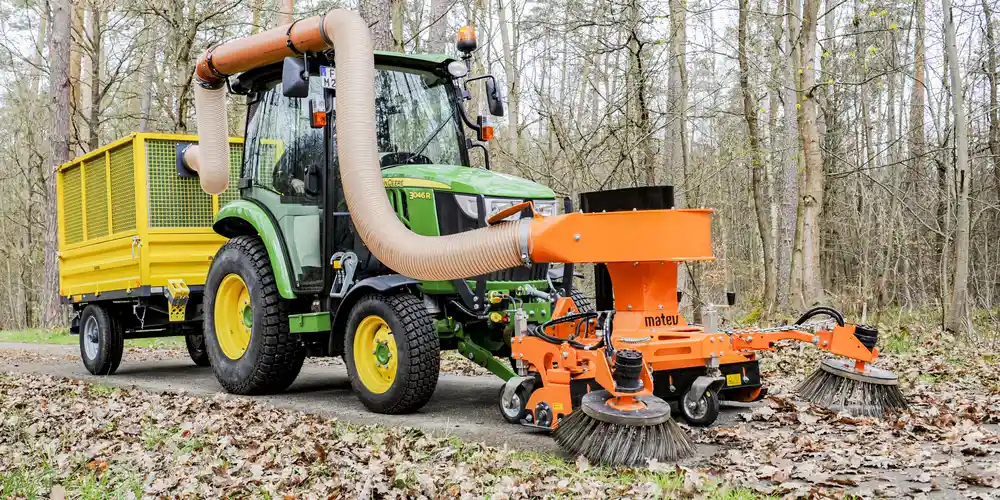
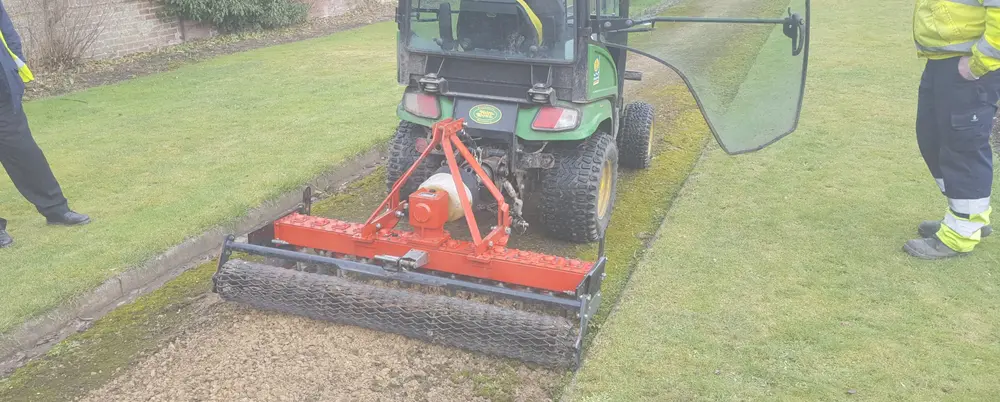
Vacuum and collection
Collector boxes, vacuum nozzles and bulk collectors remove loosened soil, leaves and vegetation after extraction.
Evidence and diagnosis
Use the Bracknell trial to diagnose before selecting the machine.
The trial links weed species, rooting and accumulated material depth to the intervention window. It is a useful reference when deciding whether a site needs preventive sweeping, mechanical extraction, renovation or a combined programme.
Mechanical product ranges
Compare the range families before checking fitment.
Start with the contact mechanism and carrier class. Each card groups machines by duty, drive arrangement, working width and the material condition they are designed to manage.
Sweeper families
Match roller diameter and carrier class to the material volume.
Small rollers and compact carriers suit paths and confined sites. Larger rollers, suspension and heavy hydraulic drives increase debris capacity and output.
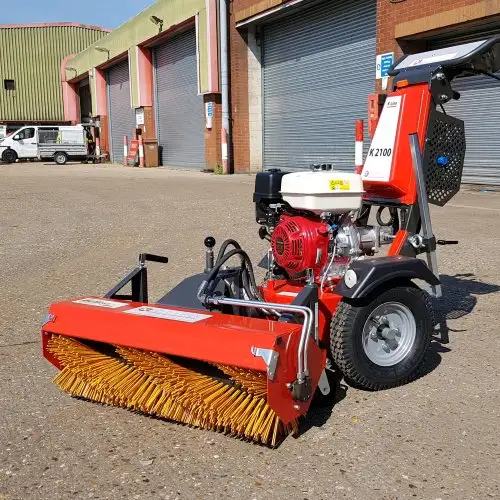 Pedestrian and compact
EFKM, K-series and De-Moss sweepers
Compact sweeper attachments for two-wheel tractors and multi-attachment pedestrian carriers.
- Typically 90–130 cm working widths
- Mechanical or hydraulic drive depending on carrier
- Standard poly-combi or specialist de-moss roller
- Collector box and gully-brush options on compatible systems
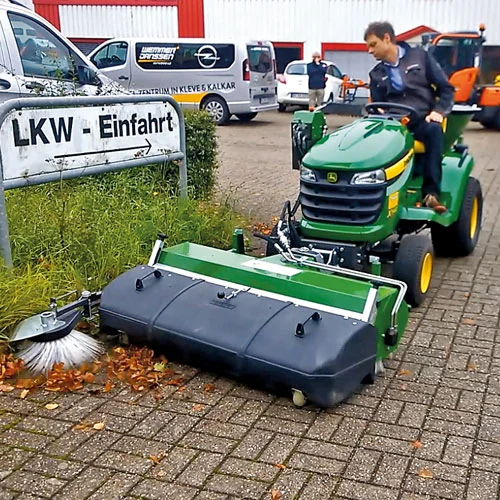 Compact tractor
FKM 37, HKM/FKM 40 and KM 45
Front or rear systems for ride-on mowers, sub-compact tractors and compact tractors.
- 37–45 cm roller families
- Mechanical, PTO or hydraulic configurations
- Manual or hydraulic angling depending on specification
- Suitable for estate routes, block paving and regular cleansing
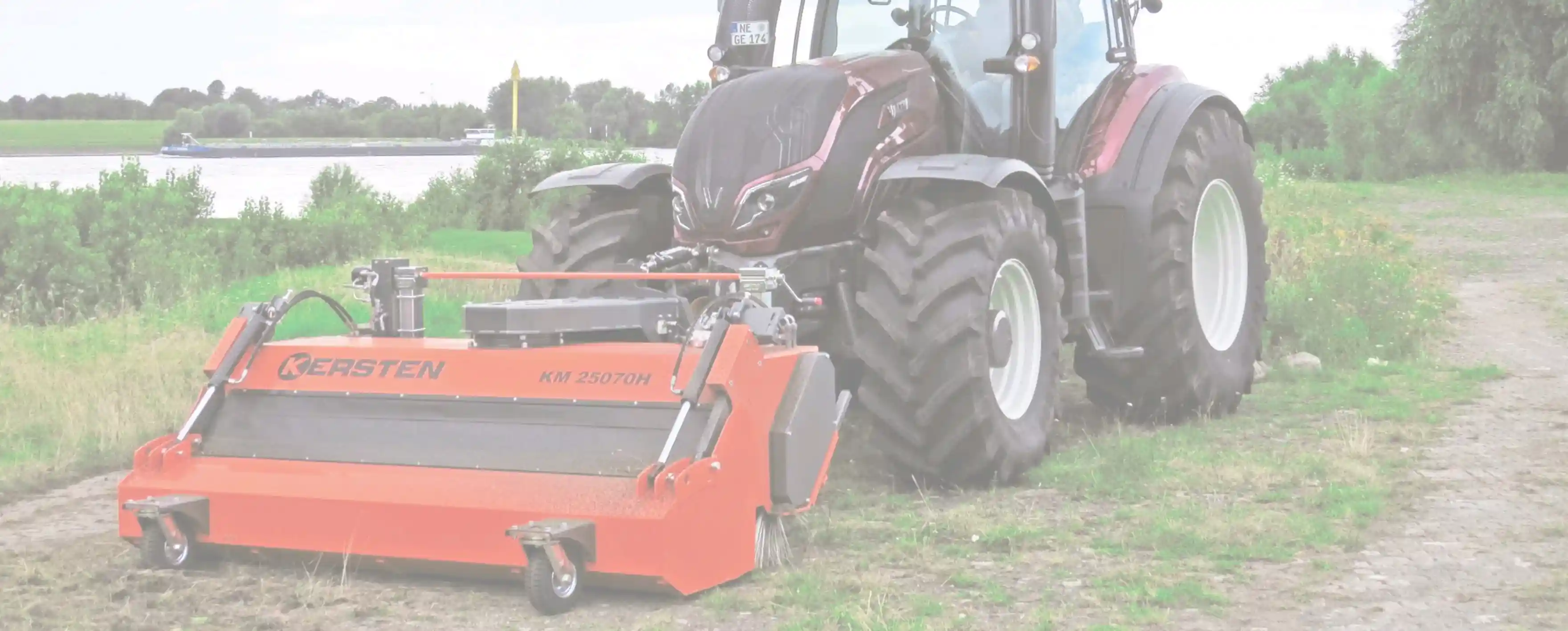 Heavy-duty tractor
KM 52, KM/FKM 60 and KM 70
Higher-capacity sweepers for medium and large tractors, loaders and municipal carriers.
- 52–70 cm roller diameter
- Heavy hydraulic or duplex-chain drive
- Pendulum suspension and robust frame options
- For soil, stones, leaves and high-volume municipal debris
Weed-brush families
Choose the brush geometry after the carrier.
Tool aggressiveness, plate orientation, rotation, pressure and edge reach determine the result. The range runs from brushcutter conversions to high-output tractor heads.
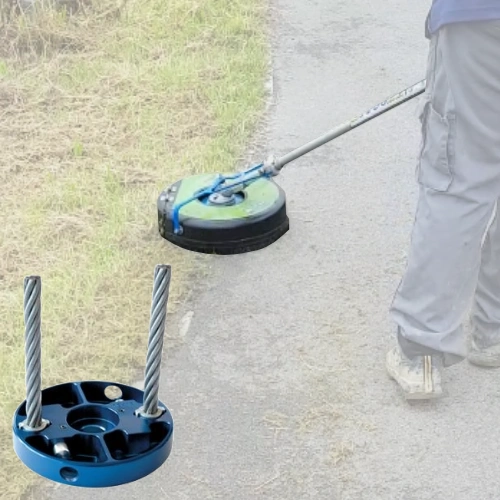 Small and obstructed areas
WeedGo brushcutter systems
Compact conversion tools for joints, edges, street furniture and locations inaccessible to wheeled machines.
- Designed around compatible professional brushcutters
- Low transport and access requirement
- Best for spot work rather than broad-area output
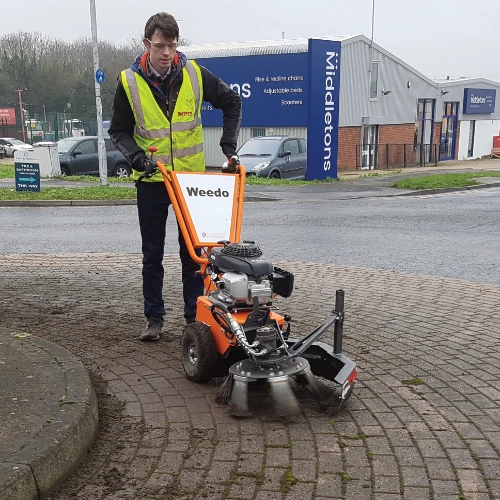 Dedicated pedestrian
Weedo II
A dedicated 50 cm pedestrian platform for repeated mechanical weed removal on smaller paved sites.
- Six-tool rotating plate
- Adjustable tool positioning and direction
- Suitable for contractors, housing sites and regular route work
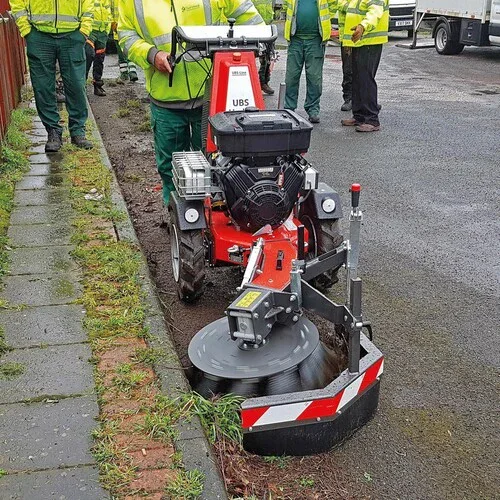 Multi-attachment pedestrian
WKB 40 and WKB 60
40 and 60 cm brush heads for compatible Kersten pedestrian carriers and selected ride-on platforms.
- Hydraulic or PTO drive routes
- Versa and Hausa replacement brush sections
- Optional edge cutter on suitable WKB 60 configurations
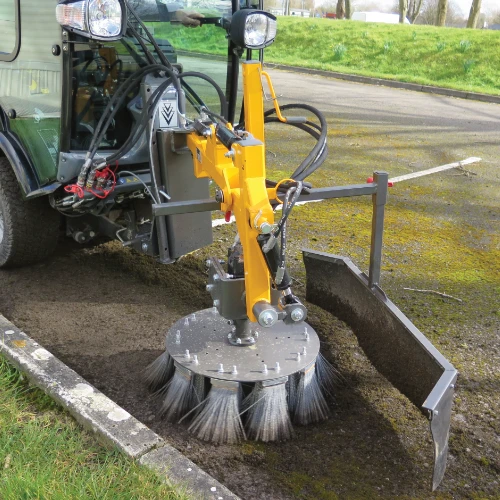 Compact tractor and municipal
UB 6080 H, MK and MH
60 and 80 cm brush plates for compact tractors and municipal carriers, with hydraulic or PTO drive arrangements.
- Carrier-specific bracket and controller
- MH configurations add integrated hydraulic movement
- High edge reach for overburden and established growth
 High-output tractor
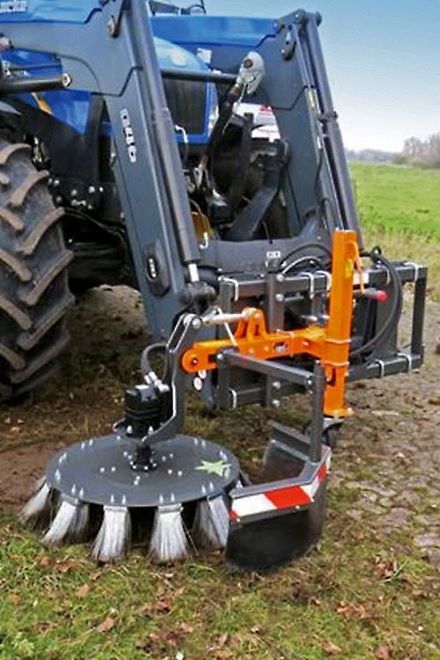
UB EASY FL, DS and VB
Heavy-duty Versa, flat-wire and vertical edging heads for larger tractors, loaders and highways work.
- Approximately 80 cm radial brush heads
- Approximately 84 cm vertical edging head
- For verge encroachment, highway edges and high-output clearing
 Working tools
Brush sections and consumables
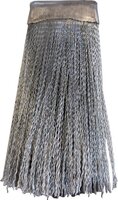
Brush choice changes extraction force, sweeping action, surface contact and finish.
- Versa combination tools for lift and sweep
- Hausa twisted wire for more aggressive extraction
- Flat-wire and vertical tools for specialist edging
Gravel families
Separate renovation from grading.
WE renovators open the compacted upper layer and release rooted growth. PH Mini graders redistribute material, establish profile and consolidate the surface after renovation or routine maintenance.
 Renovation
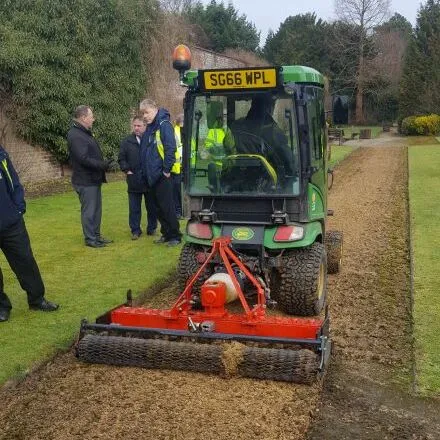
WE 090, WE 110 and WE 150
Counter-rotating renovators for pedestrian carriers and compact tractors.
- 90, 110 and 150 cm working widths
- Pedestrian quick-attach or CAT 1 / CAT 1N routes
- Angled knives for loose and self-binding gravel
- Carbide chisels or thick brush tools for harder constructions
 Grading and consolidation
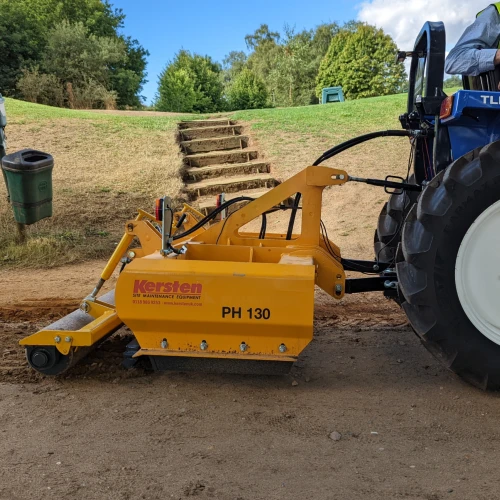
PH 100, PH 130 and PH 150 Mini
Compact tractor graders for material redistribution, level, camber and final consolidation.
- 100, 130 and 150 cm working widths
- Carrier requirement rises with working width and material volume
- Water-fillable roller adds consolidation mass
- Use after deep renovation or for routine profile maintenance
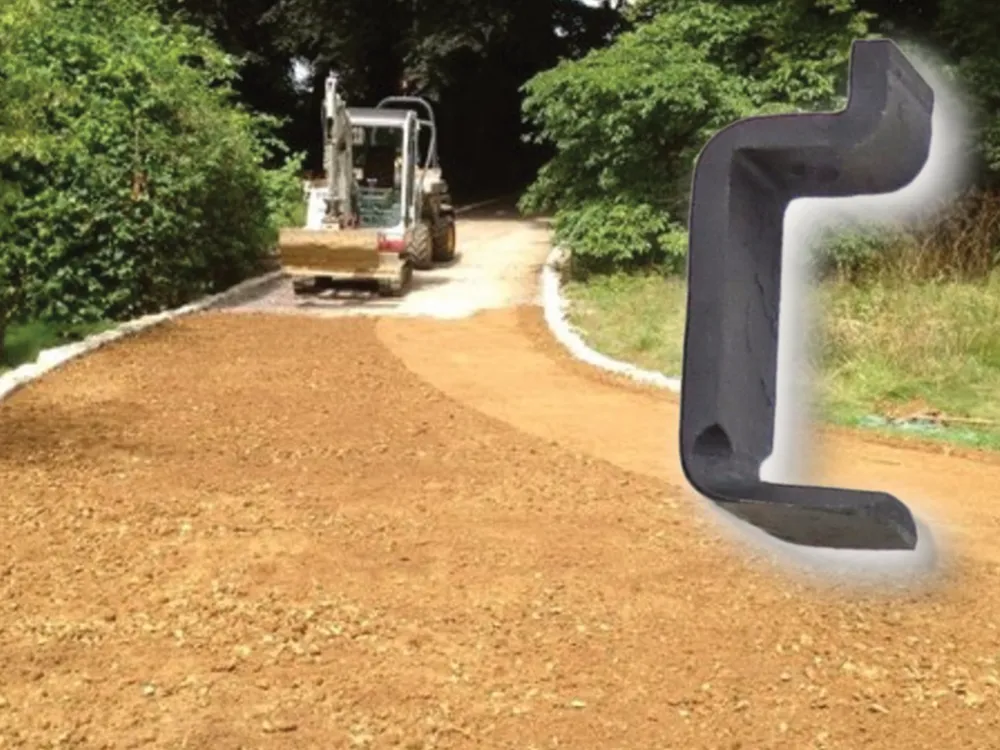
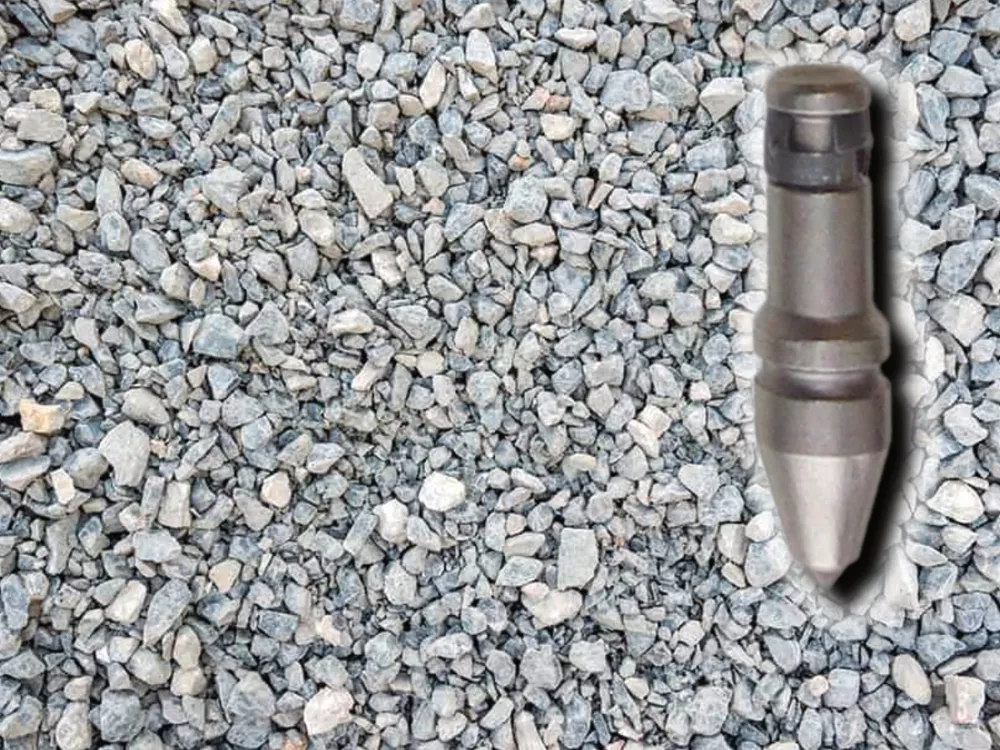
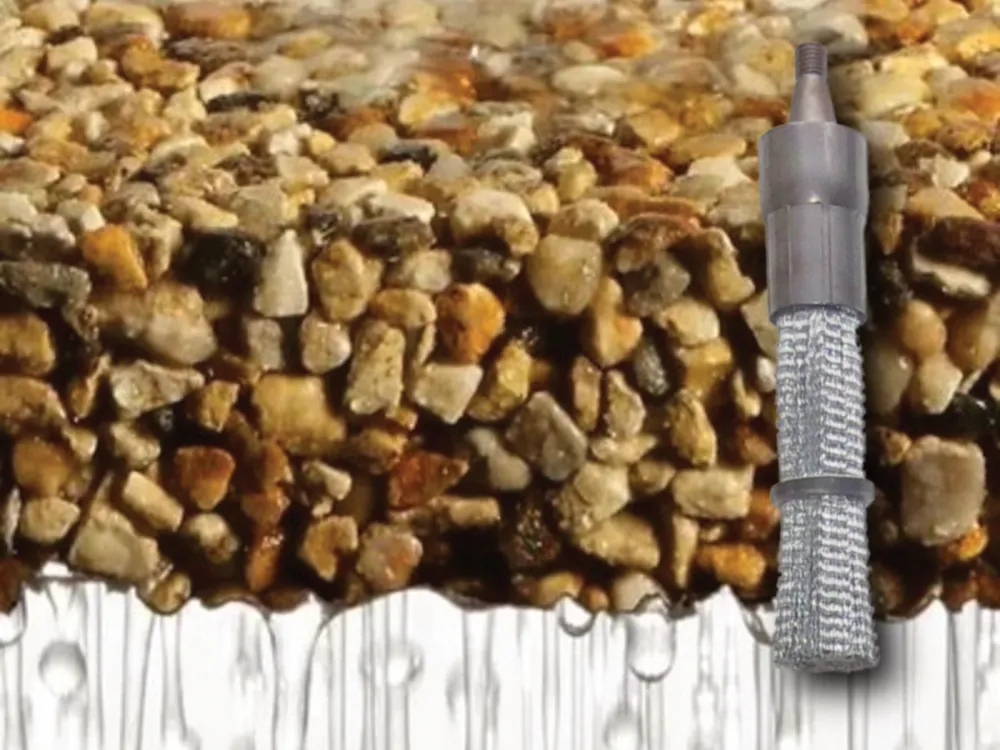
Knife, chisel and brush sets
Working depth and tool type must reflect the surface construction rather than the severity of visible weeds alone.
- Angled knives cut beneath roots in loose material
- Carbide chisels fracture hard water-bound layers
- Thick brush tools work shallower on firm sub-bases
- Test depth before full-site operation
Collection families
Remove the released growth medium from the site.
Collection is the final stage after sweeping, weed brushing or renovation. Select the system by material density, required capacity and discharge arrangement.
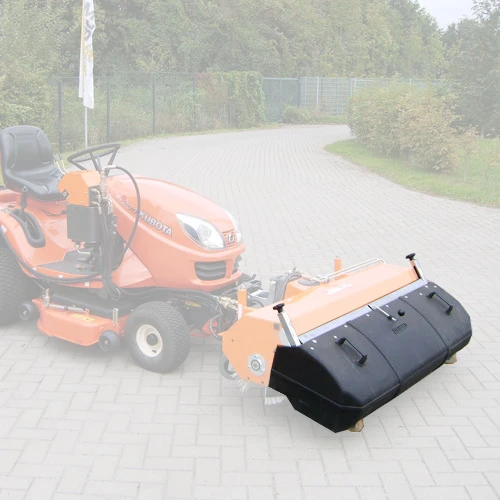 Direct sweeper collection
Collector boxes and gully brushes
Direct-mounted boxes retain dense soil, moss, grit and sand while a side brush presents edge material to the main roller.
- Collector size depends on sweeper family
- Mechanical or hydraulic opening options
- Gully brush improves kerb and edge pickup
- Dust guard or water suppression for dry fine material
Vacuum transferVacuum nozzle attachments
Tractor-mounted nozzles transfer leaves, light debris and loosened arisings into a compatible collector or trailer.
- Suited to larger-area pickup routes
- Collector or trailer integration required
- Best after material has already been loosened
- Not a substitute for rooted-growth extraction
.webp) Bulk collection
Bulk collectionMounted collector systems
Higher-capacity collectors for cuttings, leaves and material gathered during wider site-maintenance operations.
- Match capacity to route length and discharge point
- Check carrier lift and weight distribution
- Confirm hose, nozzle and collector compatibility
- Useful where repeated small-box emptying is inefficient
Supporting mechanical ranges
Use specialist brushing where a rotary sweeper or weed brush is not the right movement.
These ranges support surface preparation, edge work and material movement within a wider maintenance programme.
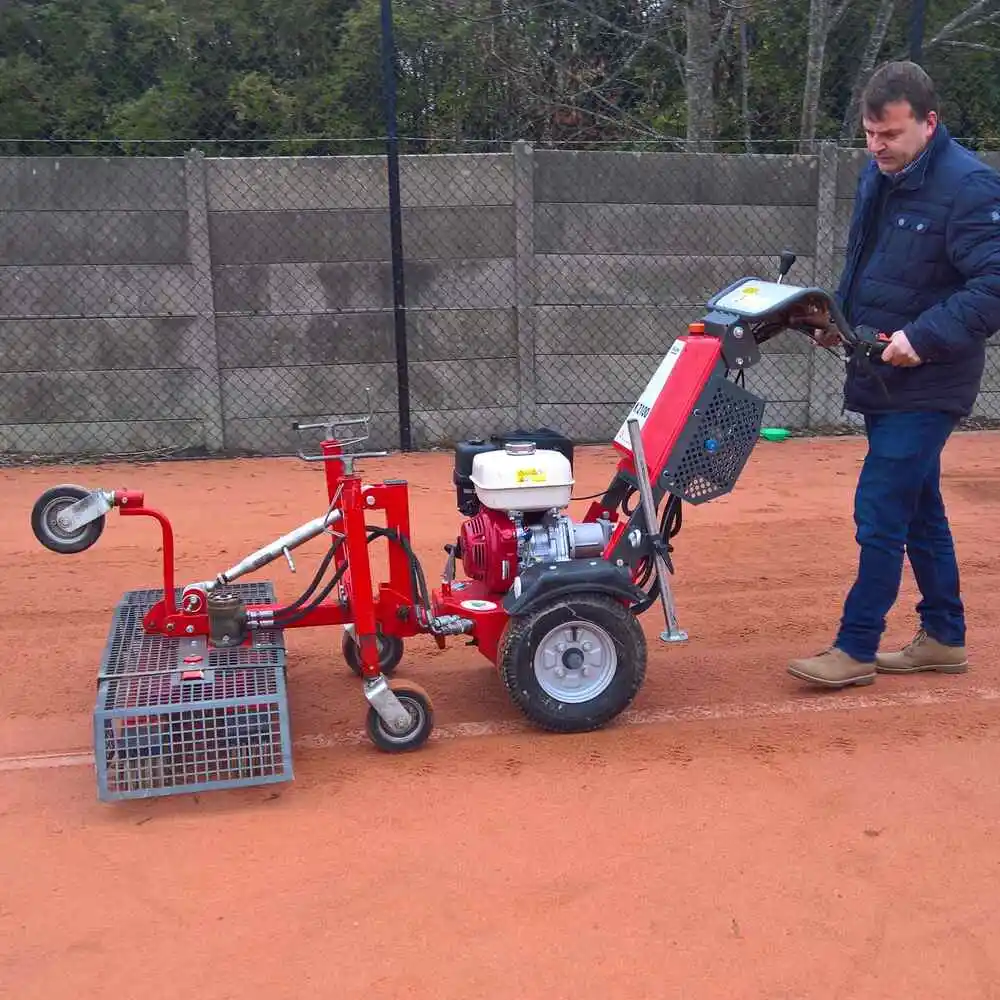 Controlled linear brushing
Reciprocating brush series
Linear brushing for edges, kerbs, joints and areas where controlled movement is preferable to a rotating head.
Explore reciprocating brushes →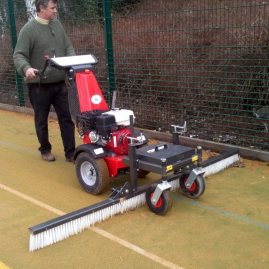 Large surface care
Wide area brush series
High-output brushing for large hard-surface areas, yards and artificial-surface maintenance.
Explore wide area brushes →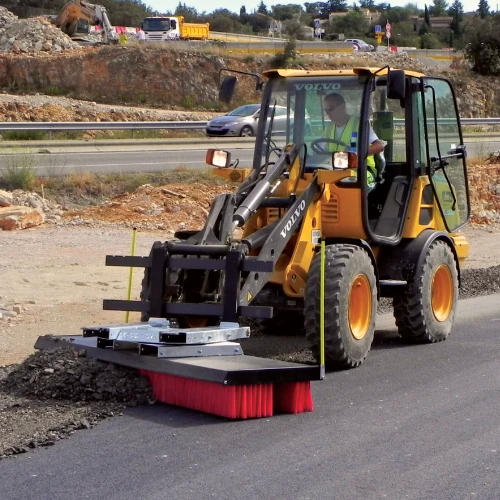 Passive material movement
Acti-Sweep push brooms
Simple tractor or loader-mounted brushing for yards, workshops and bulk material movement without a powered roller.
Explore push brooms →Carrier and attachment fitment
Check the selected range against your machine.
The Fitment Wizard uses the Kersten compatibility data supplied in the site script. Select the application, carrier make and model, and mounting position to view the likely bracket, power and attachment route.
Have the machine details ready
Confirm the exact carrier model, front or rear mounting preference, PTO availability, hydraulic services and the intended application. Final fitment and working-tool selection should still be verified before ordering.
Specification sequence
Three checks before choosing the final attachment.
Fitment confirms what the carrier can operate. The surface test confirms which working tool and setting should be used.
Define the material
Measure detritus depth, identify whether roots are anchored in joints or gravel, and record moisture, compaction and debris size.
Confirm the carrier
Check mounting interface, PTO, hydraulic flow and pressure, lift capacity, axle load, visibility and required working width.
Specify the complete pass
Select the working tool, pressure or depth, dust control, collection arrangement, discharge route and replacement consumables.
Technical questions
Common range distinctions.
When should a sweeper be used instead of a weed brush?
Use a sweeper where the main problem is loose soil, leaves, moss fragments or general detritus. Use a weed brush where material is rooted or compacted into joints, kerbs or edges and requires extraction rather than movement.
Why are working width and roller or brush diameter separate decisions?
Working width affects route output and manoeuvrability. Roller or brush diameter affects material capacity, contact geometry and the size of debris that can be carried through the tool.
Does the Fitment Wizard select the working tool?
The wizard helps narrow carrier and attachment compatibility. Brush type, knife or chisel selection, working depth and operating pressure still need to be confirmed from the surface construction and a representative test area.
When is a gravel grader needed after renovation?
Use a grader where loosened material needs redistribution, level or camber correction and final consolidation. A renovator removes compaction and rooted growth; it does not replace final profile control.
Why collect after mechanical weed removal?
Released soil, roots and vegetation can remain as a seedbed if left in joints, gullies or edges. Collection removes that growth medium and leaves the surface ready for preventive maintenance.
Confirm the range on the actual site
Bring the carrier details and a representative surface area.
A demonstration can confirm fitment, working width, brush or tool type, pressure or depth, collection method and the achievable finish.