Kersten KM 45 Sweepers
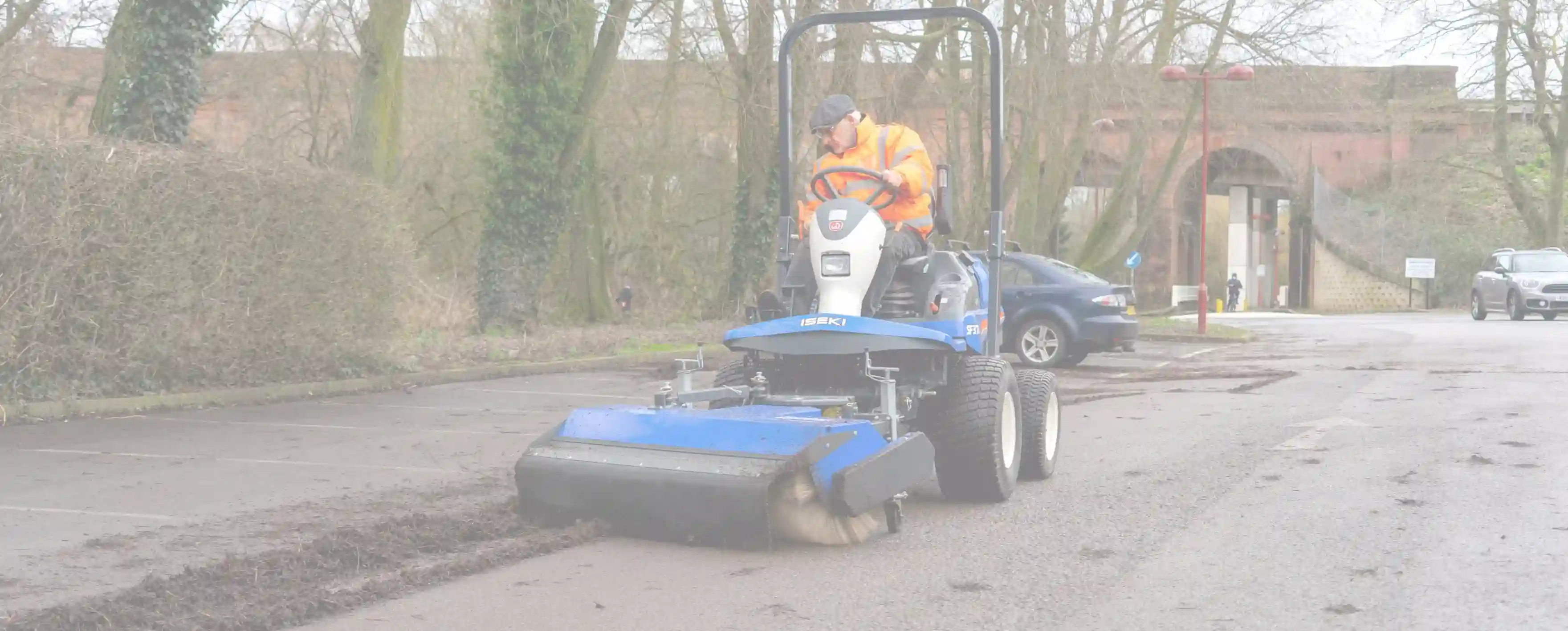
Kersten KM 45 Sweepers
KM45 Series Sweepers
Front Mounted Sweepers for 15-40hp
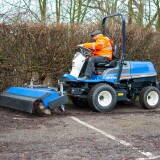
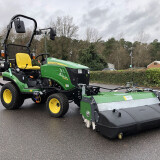
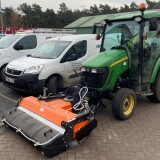
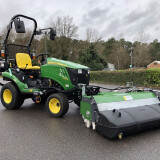
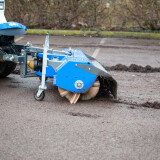
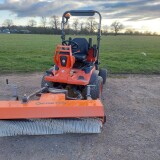
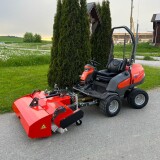
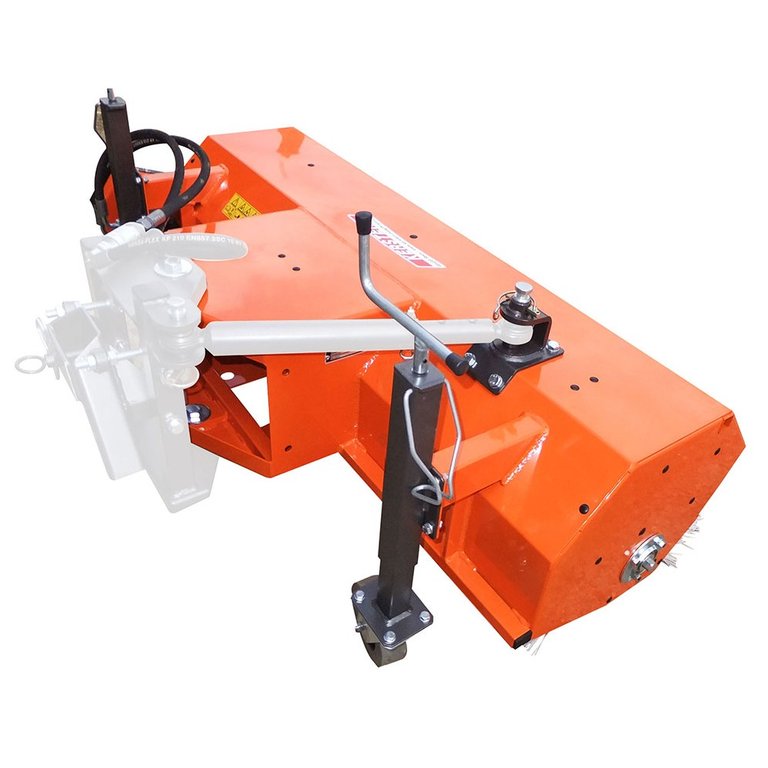
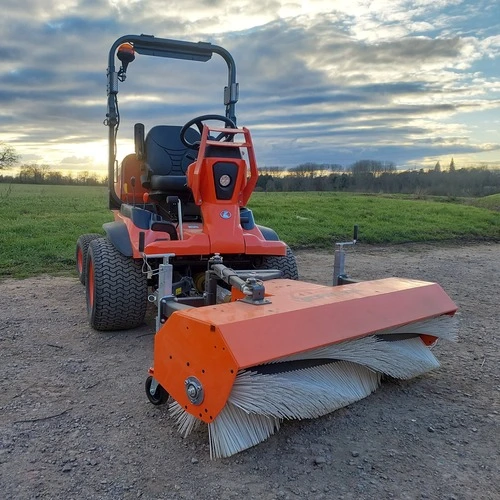
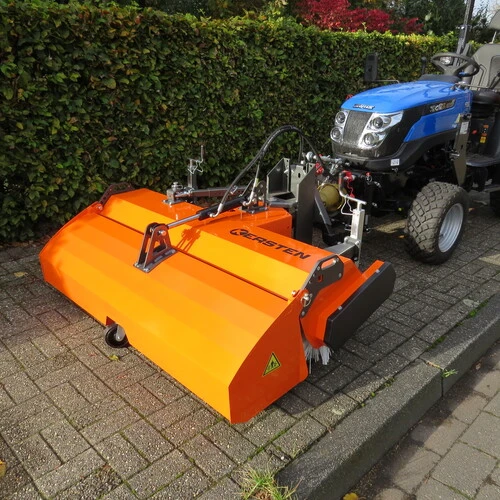
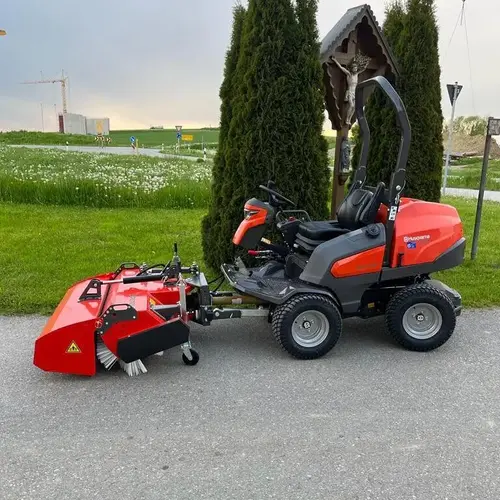
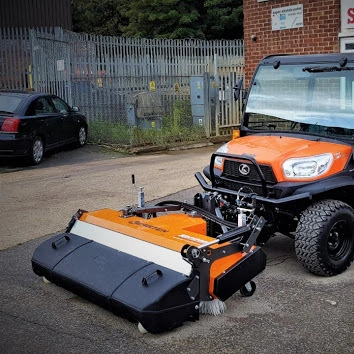
This is our range of professional Sweepers for front mounting to compact tractors, sub -compact tractors, upfront mowers and RTV. There are 3 model widths. Km 13045 - 130cm, KM 15045 - 150cm and KM 16545 165cm. The models are available with either PTO-mechanical drive (M) or hydraulic drive (H) options. Our Ø 45cm, five row combi-brush moves large, heavy debris with ease. Sweeping height is adjusted by independent gauge wheels — each wheel is adjusted individually for precise positioning of the brush. All our brushes may be fitted with a collector box and gully brush for creating clean kerbs and picking up the debris. There are several mounting options either to a tractor front linkage or front link arms using the relevant ARB mounting bracket system.
.png)
Specifications for KM45 Sweepers
|
Models in the range
|
KM 13045 - KM 15045 - KM16545 |
|
Mounting Position
|
Front mounting only |
|
Drive System
|
PTO or Hydraulic with side drive chain |
|
Minimum and maximum horse power for PTO models (hp)
|
15hp - 40hp |
|
Min oil flow (ltr/min) and press (bar) for hydr models
|
20ltr - 180bar |
|
Working width without side brushes (cm): A
|
125cm - 150cm - 165cm |
|
Working width at full angle (cm)
|
125cm - 150cm - 165cm |
|
Overall width without side brushes(cm): C
|
140cm - 160cm - 175cm |
|
Extra overall width for each side brush (cm): B
|
27cm + A |
|
Length incl collector without ABR frame (cm): E
|
117cm |
|
Length without collector (cm): F
|
79cm |
|
Height without attachment frame (cm) -ABR
|
73cm |
|
Brush diameter (cm)
|
45cm |
|
Typical surface footprint of sweeping brush (cm)
|
6-8cm |
|
Weight of sweeper (kg) (basic)
|
133kg - 140kg - 146kg |
|
Weight of collector box (kg)
|
22kg - 24kg - 26kg |
|
Weight of side brushes each (kg)
|
11kg |
|
Weight of full water dust system 100 ltr (kg)
|
120kg |
PTO Drive Sweepers
Hydraulic Drive Sweepers
Video Gallery
Blogs about Kersten KM45 Sweepers
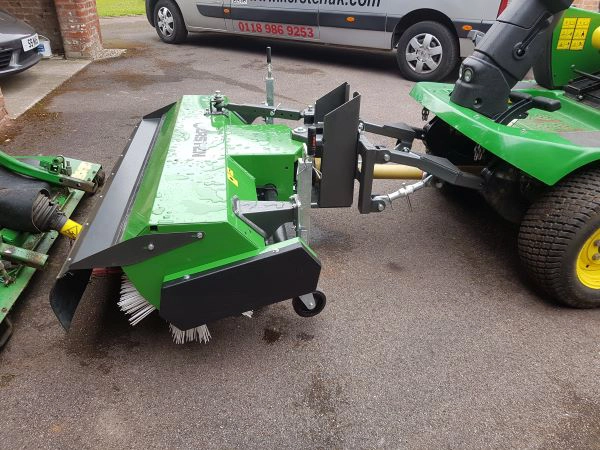
Case Study: Sweeper for a John Deere 1550 outfront mower, Kersten KM 15045
A Kersten1.5m ( KM15045 ) PTO driven sweeper fitted to a John Deere 1550 outfront mower...

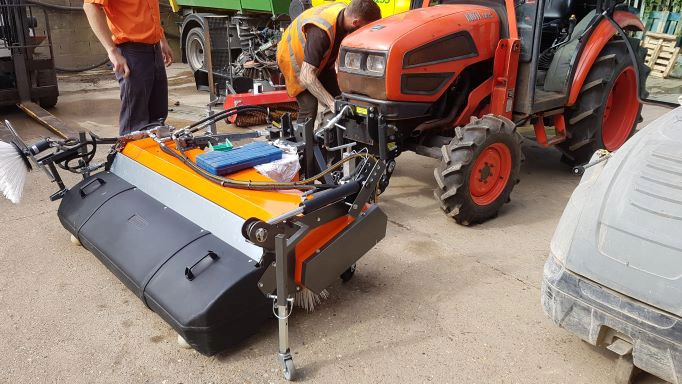
Case Study; Front linkage and sweeper for Kioti CK35
Kersten specialise in complete front mounted solutions for your tractor. Here we fitte...

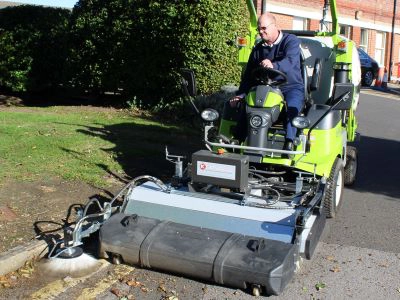
Sweeper for the Grillo FD and FM Series
The Grillo 13.09 and FD 2200 are ideal multi attachment machines, due to the lift arms ...
.jpg)
Case Study: Sweeper for a Kubota G23/G26 and G231/261 Series
The Kubota G23/G26 and G231/261 ride on mowers are very popular models, but do not have...
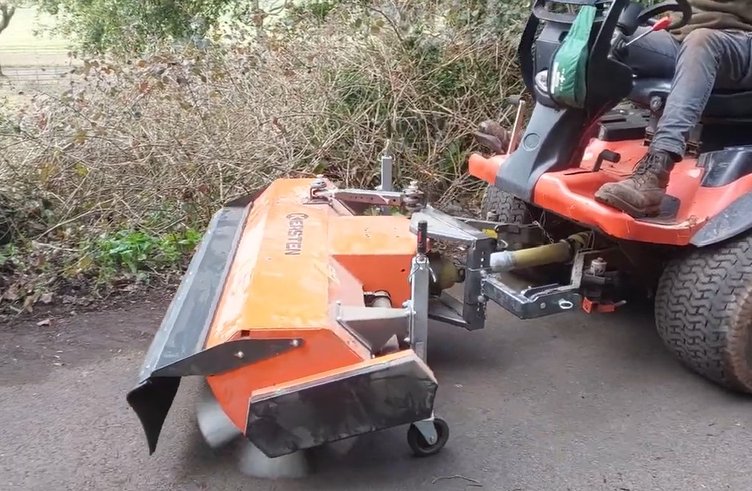
Case Study: Sweeper for Kubota F Series
Possibly our most popular sweeper/tractor combination. The Kersten KM45 Sweeper is ide...
Related Website Items
When deciding between a sweeper and a weed brush for asphalt and tarmac maintenance, consider the specific issues you're facing:
- Sweeper: Ideal for removing loose debris, leaves, and dirt that accumulate on the surface and in gullies. A powered sweeper with a collector box is effective in preventing detritus buildup, which can obstruct drainage and lead to moss and weed growth. It is also useful for cleaning edges and keeping pavements clear. Our pedestrian sweepers also come with a de-moss brush, which helps remove moss and algae that may have started to grow on the surface.
- Weed Brush: Best for tackling established weeds and moss that have penetrated the surface. A weed brush can effectively remove these invasive plants, which can cause surface cracks and deterioration over time. It’s particularly useful in areas where weeds have started to penetrate the tarmac, causing damage.
Recommendation: For comprehensive maintenance, use a combination of both tools. Start with a weed brush to address any existing moss and weeds, then follow up with a sweeper to clear the surface and prevent further issues. This dual approach ensures both removal of vegetation and effective debris management, maintaining the integrity and appearance of your asphalt or tarmac surfaces.
Yes, the Gully Brush is compatible with most sweepers, enhancing their ability to achieve clean, crisp edges along paths. This brush not only maintains a visually appealing site but also excels in reaching the corners of kerbs to remove debris. Effective debris management is crucial for preventing weed growth, making the gully brush an essential tool for maintaining a well-kept, weed-free area.
Explore our range of sweepers to find the compatible gully brush for your needs.
Regularly removing soil and heavy debris is essential for effective grounds maintenance to ensure the longevity and safety of hard surfaces such as asphalt, tarmac, and block paving. Accumulated soil and debris can lead to several issues:
- Surface Degradation: Soil and debris, when left unmanaged, can contribute to surface damage. Organic material decomposes and forms a layer of detritus that can compromise the structural integrity of pavements and roads.
- Weed and Moss Growth: Moisture trapped by debris promotes the growth of weeds and moss. This not only deteriorates the surface but also creates hazards for pedestrians and vehicles. Regular removal prevents these issues from taking hold.
- Drainage Problems: Debris accumulation around drainage edges and kerb lines can block water flow, leading to flooding and further surface damage. Maintaining clear drainage areas is critical for preventing water-related problems.
- Enhanced Safety: Removing debris prevents slippery conditions, reducing the risk of accidents. It ensures that walkways and roadways remain safe for users, especially in high-traffic or frequently used areas.
- Cost Efficiency: Regular maintenance reduces the need for costly repairs by addressing issues before they escalate. It helps keep the surface in good condition, minimizing long-term expenses associated with extensive repairs or replacements.
For effective soil and debris management, tools like sweepers and weed brushes are invaluable. They help efficiently clear and maintain hard surfaces, ensuring a clean, safe, and durable environment.
Weeds thrive on tarmac and asphalt surfaces when detritus, such as leaves and twigs, accumulates in gullies and along pavement edges. This buildup creates a medium for weeds to grow. Once weeds establish themselves in the debris, their roots can penetrate the surface, leading to cracks and further surface damage. Over time, the cracks widen, causing the surface to crumble and form potholes. Regular use of a gully brush and powered sweeper with a collector box is essential for clearing debris from edges and gullies, preventing detritus from rotting and providing a breeding ground for weeds. This helps maintain the integrity of the surface and prevents costly damage.
To prevent moss and algae growth, ensure regular sweeping to remove organic debris and detritus. Prune nearby trees and hedges to reduce leaf and twig accumulation. Maintain proper drainage by addressing any issues with sand displacement or compaction.
Kersten weed brushes and powered sweepers are essential tools for maintaining block paving surfaces. The Kersten weed brush effectively agitates and lifts moss from between the blocks, preventing moisture retention and surface damage. Complemented by the Kersten sweeper, which efficiently collects debris and redistributes sand into gaps, this combination ensures optimal drainage and surface stability. Together, these tools help maintain the appearance, durability, and safety of your block paving, extending its lifespan and reducing the risk of moss-related issues.
For kerb edges that are heavily compacted with weeds and debris, a weed brush is your best tool. Its strong bristles can effectively break through dense and stubborn material, making it ideal for removing compacted detritus and weeds from tight spots. The weed brush excels in heavy-duty conditions where traditional sweepers might be less effective. Use it to slide out debris from kerb edges and clear buildup, especially in areas with significant compacted soil and detritus.
For general maintenance of kerb edges, employing a sweeper with a gully brush attachment can enhance cleanliness and efficiency. The sweeper will handle loose debris, while the gully brush helps clear material trapped in the edges, ensuring crisp and well-maintained kerb lines. This combination helps create clean, defined edges and keeps your surfaces in good condition. For more details on these tools, check out our weed brush, sweeper, and gully brush product pages.
To control dust on asphalt surfaces, adjust your sweeper's brush speed to a slower setting to minimize dust dispersal. Spraying water directly onto the brush or the surface helps bind the dust, making it heavier and easier to collect. Kersten sweepers are available with dust suppression kits can efficiently handle dust without spreading it around.
A dust suppression kit sprays water directly onto the brush of a sweeper and surface. This technique helps bind dust particles, making them heavier and easier to collect. By reducing the amount of dust that becomes airborne, these kits help maintain cleaner surfaces and improve air quality.
For hard-to-reach areas, use a pedestrian two wheel tractor such as K-series or UBS-series with dust suppression kit. Adjust the brush speed to a slower setting and apply water to the brush to control dust effectively. A debris guard can also help manage dust in confined spaces.
The Gully Brush is a specialized attachment for Kersten sweepers designed to manage debris in challenging areas such as edges, gullies, and kerbsides. It efficiently pulls dirt, leaves, and other debris from these hard-to-reach spots directly into the path of the main sweeper brush. Once in the main brush's path, the debris is collected by the sweeper and deposited into a collector box. This ensures a comprehensive clean, helps achieve a polished finish by clearing crisp, clean edges, and is crucial for effective debris management, preventing issues like weed growth.
Watch the 40cm Gully Brush in Action with the Kersten SweeperThe frequency of replacement depends on the amount of usage and the type of debris you're dealing with. Regular inspection is recommended, and brushes should be replaced as soon as you notice signs of wear, such as reduced cleaning performance or uneven bristle wear. This ensures your equipment continues to operate efficiently and effectively.
Road sweeping in the UK is governed primarily by the Environmental Protection Act 1990 (EPA 1990) and the Highways Act 1980, which place a statutory duty on local authorities and the Secretary of State (via National Highways) to keep public areas and highways clean.
Key Legislation and Responsibilities
Environmental Protection Act 1990: Section 89(1) and (2) of this Act places a duty on 'duty bodies' (primarily local authorities) to ensure public spaces and highways are, as far as practicable, kept clear of litter and refuse.
Highways Act 1980: This Act includes provisions that make it an offence to deposit anything on a highway that might obstruct its use, create a danger, or cause injury.
Code of Practice on Litter and Refuse: This document, issued under the EPA 1990, provides practical guidance and sets standards for cleanliness (Grades A-D) and expected response times for cleaning different areas.
Clean Neighbourhoods and Environment Act 2005: This Act strengthened existing legislation related to street cleaning and environmental quality.
The Poly Spiral Roller Brush and De-Moss Brush are designed for different cleaning tasks. The Poly Spiral Roller Brush is ideal for general debris sweeping, while the De-Moss Brush is specifically engineered for tackling stubborn moss. While they may perform similarly on some surfaces, the Poly Spiral Roller Brush may be less effective on thick moss, and the De-Moss Brush might not be the best choice for fine particles. Choose the brush that best fits your specific cleaning needs for optimal performance.
Replacing the brush on your Kersten Brush is crucial for maintaining peak performance and efficiency. Over time, the brush bristles wear down from regular use, which can diminish their cleaning effectiveness and potentially damage the surfaces being cleaned. By replacing the brush, you ensure continued high performance in removing debris, moss, and tough dirt. Regular brush replacement also prevents equipment damage and guarantees consistent, reliable cleaning results.
The frequency of replacement depends on the amount of usage and the type of debris you're dealing with. Regular inspection is recommended, and brushes should be replaced as soon as you notice signs of wear, such as reduced cleaning performance or uneven bristle wear. This ensures your equipment continues to operate efficiently and effectively.