Choose equipment by surface
Choose your surface.
Find the right treatment.
Paths, pitches, yards and growing areas need different maintenance. Start with the surface construction, identify what is affecting it, then choose the machine and working method.
Surface maintenance routes
What is the surface under your feet?
Go straight to the relevant guide or equipment range. Where a site has several constructions, choose the method for each area rather than using one brush setting everywhere.
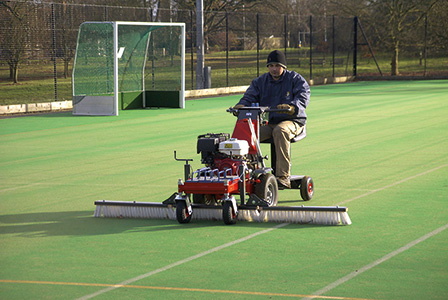
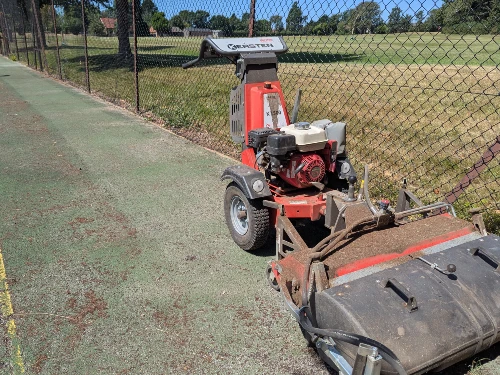
Sports pitches and synthetic turf
Artificial grass
Routine grooming, infill redistribution and removal of contamination.
Before choosing: Check the fibre, infill and collection settings.

Paths, roads and hard-standing
Asphalt & tarmac
Remove soil and debris, keep edges clear and tackle established growth.
Before choosing: Inspect loose aggregate and surface deterioration.
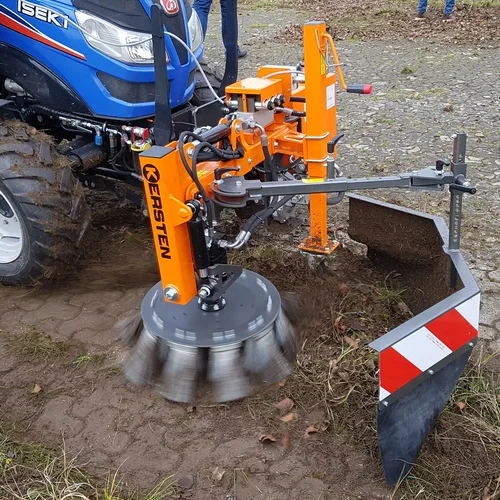
Joints, kerb lines and paved areas
Block paving
Sweep regularly; use appropriate remedial brushing for rooted growth and compacted deposits.
Before choosing: Check jointing material after cleaning.
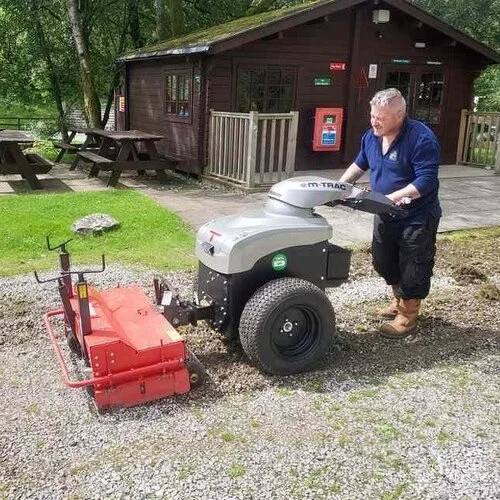
Loose and self-binding surfaces
Gravel & unbound paths
Loosen compacted material, lift weeds and restore the profile where needed.
Before choosing: Confirm construction, tool choice and working depth.

Lawns, banks and rough vegetation
Natural grass
Choose the mowing method around the finish, growth and terrain.
Before choosing: Assess access, ground conditions and cut quality.
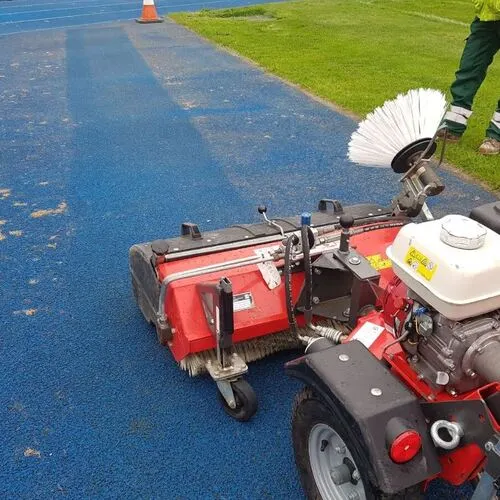
Bonded rubber sports surfaces
Polymeric surfaces
Remove leaves and fine contamination using a surface-approved method.
Before choosing: Protect the bound surface and its drainage pores.
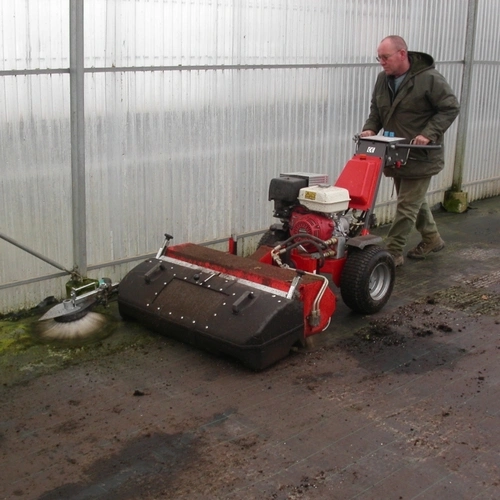
Exposed nursery and growing-area cover
Ground-cover fabric
Clear deposits that sit above the fabric; inspect fixings, seams and worn areas.
Before choosing: Check brush contact and any heat-treatment compatibility.
Another surface or a mixed site?
Concrete, stone or a construction you are unsure about?
Send photographs and describe the surface, drainage and material you need to remove. We can help identify a practical route and arrange a trial.
Practical starting points
Four machines. Four different jobs.
These examples show why the operation matters. A sweeper removes contamination, a renovator works into loose material, a mower cuts living vegetation and a grooming brush redistributes infill.
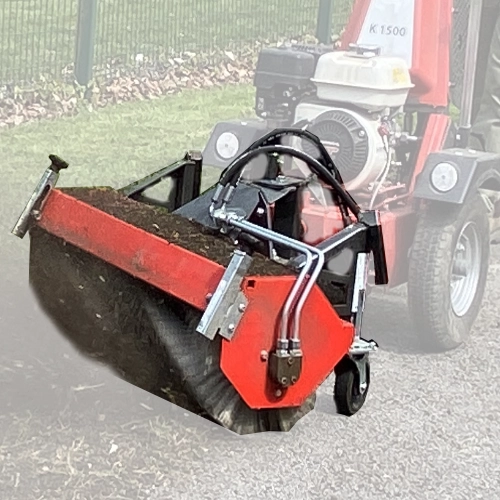
Sweeping and collection
EFKM 09032 H-K 35
A five-row poly roller for loose debris on suitable hard and artificial surfaces. Match the brush setting and optional collector to the job.
Choose it when: A compatible pedestrian power unit needs routine sweeping and debris removal.
- 90 cm working width · 32 cm roller
- Hydraulic drive · K35 bracket
- Listed for K820 / K820 Pro / K1500
- Power unit and collector separate

Gravel renovation
WE 110 M-DP
Counter-rotating tools loosen the upper gravel layer and lift rooted material. Choose the tools and depth around the actual construction.
Choose it when: A matched compact tractor needs to renovate compacted unbound paths.
- 110 cm working width
- Mechanical PTO drive
- CAT 1 / CAT 1N rear linkage
- Confirm working tools and PTO specification

Remote-controlled mowing
HyCut
A hybrid tracked mower for vegetation management where remote operation and terrain assessment are important. Demonstrate it on the intended site.
Choose it when: Banks or rougher grass need a dedicated remote mowing solution.
- 115 cm working width
- 23 hp petrol engine · 48 V hybrid drive
- Remote-controlled tracked platform
- Confirm terrain, blades and operating limits
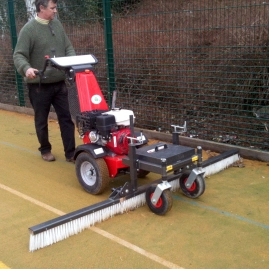
Artificial-turf grooming
KRB 250 KU 70
A folding static brush that redistributes suitable infill and lifts the pile. It performs a different job from a powered sweeper and collector.
Choose it when: A K2100 needs broad routine grooming of a compatible synthetic surface.
- 2.5 m working width
- Folding wings for access
- Height-adjustable castors
- Listed K2100 version · power unit separate
Specify the complete working combination. Prices refer to the linked listings. Photographs may show separate power units, tractors or options. Confirm the brush or tools, collection, mounting, drive requirements and access before ordering.
Choose the operation before the machine
What needs to change on the surface?
| What you see | Starting operation | Finish to plan |
|---|---|---|
| Loose leaves, grit or soil | Appropriate sweeping, blowing or vacuum collection. | Remove the contamination from the site or a controlled collection point. |
| Moss, rooted weeds or compacted edge deposits | Surface-appropriate De-Moss or weed brushing; consider a suitable separate treatment where needed. | Collect loosened growth and inspect the exposed surface. |
| Uneven infill and flattened synthetic fibres | Routine grooming and infill redistribution with the matched brush. | Check distribution and pile condition; remove contamination separately. |
| Compacted, weed-bound gravel | Renovation with tools and depth selected for the unbound construction. | Clear arisings, retain usable stone and assess whether grading is also needed. |
| Potholes, displaced gravel or an uneven profile | Grading and redistribution of suitable loose material. | Restore levels and the intended profile; investigate underlying drainage or base defects. |
| Long grass or unmanaged vegetation | Mowing or cutting selected around the required finish and terrain. | Choose collection or mulching where appropriate and keep clippings off adjoining hard surfaces. |
Cleaning and structural repair are different jobs. A maintenance pass can clear debris and reveal defects, but it does not repair failed paving, damaged backing, a broken drain or an unsuitable base. Inspect recurring puddles and damaged areas before increasing brush pressure or renovation depth.
Artificial grass and sports surfaces
Grooming, agitation and contamination removal are different jobs.
Groom and redistribute
Wide-area and static brushes primarily lift the pile and redistribute suitable sand or rubber-crumb infill. Use them for routine care of the playing system.
Agitate and work material in
Powered reciprocating brushes provide more active agitation and top-dressing work where the surface and maintenance specification call for it.
Sweep out contamination
A powered sweeper can remove debris and moss, loosen or redistribute infill and help reclaim neglected surfaces. Select the brush contact and collection arrangement for that construction.
Look beneath the appearance
Similar-looking surfaces can need different treatment.
Filled turf or bonded rubber?
Loose sand or rubber crumb within a synthetic carpet is different from rubber bound into a polymeric sports layer. A coloured court may also be coated asphalt. Confirm the construction before choosing the brush.
Loose stone or a bound surface?
A gravel renovator works into suitable unbound material. A bonded stone finish is a different construction. Confirm the surface and available working depth before choosing penetrating tools.
Exposed cover or buried membrane?
The ground-cover route concerns exposed fabric used in growing areas. Buried geotextiles are part of the construction; do not select cleaning or renovation depth as though they were the working surface.
For sports and vulnerable surfaces, start with the supplier’s maintenance instructions. Identify the coating, fibre, infill, seams or fabric. Trial a small area with the intended brush, contact and collection settings before a full pass. Water-based and unfilled hockey systems need their own cleaning plan; infill-separation equipment is not automatically relevant.
Choose the material as well as the surface
What has landed or grown on it?
Identified invasive plants need a separate plan. Keep affected stands out of routine mowing, sweeping and soil-moving operations until the species and handling method are confirmed. Explore invasive-plant management .
Kersten maintenance guidance
Understand the surface before planning the programme.
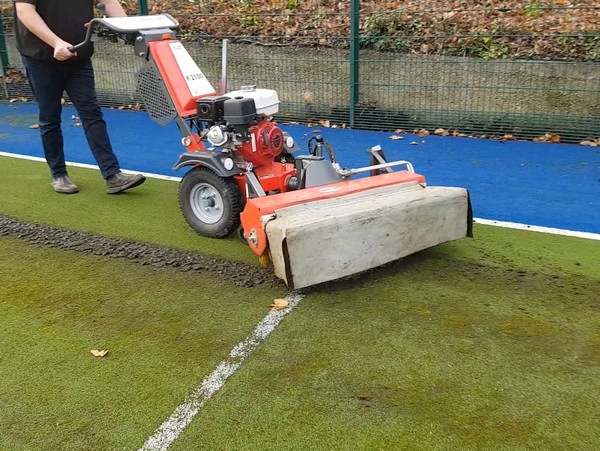
Synthetic sports surfaces
Keep contamination out of the playing system
Kersten explains routine cleaning, perimeter deposits and sweeping on synthetic sports surfaces.
Read the Kersten guide →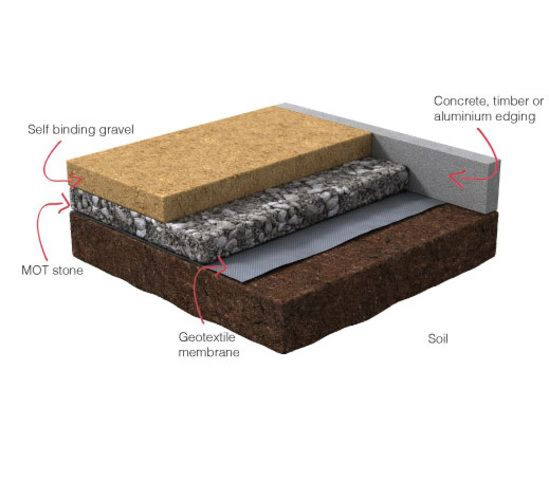
Gravel paths and drives
Separate compaction from profile problems
Explore trapped soil, surface movement and the maintenance needed to retain usable gravel.
Read the Kersten guide →
Natural grass
Look beyond the mowing pass
Consider the growing surface, drainage and wear alongside the required cutting finish.
Read the Kersten guide →The Surface Maintenance Handbook
Read Kersten’s approach to maintaining surface performance, preventing deposits from becoming established and planning remedial work.
Common questions
Choosing equipment by surface
Can one machine maintain several surface types?
A compatible multi-attachment power unit can support several operations, but the attachment, brush, tools and settings must suit each surface. Check the connection and drive system as well as the carrier model. A common machine does not mean one working setup suits every construction.
Should I start with the surface or the debris?
Use both. The surface sets the limits for tool contact and working depth; the material tells you which operation is needed. Loose leaves on paving and rooted growth in gravel require different actions even when they occur on the same site.
Is a grooming brush a substitute for sweeping artificial turf?
Routine grooming mainly redistributes infill and lifts fibres. Contamination needs removal, while remedial work may need more active agitation. Match the task, brush and collection arrangement to the surface supplier’s instructions.
Can I use a gravel renovator on any stone-looking surface?
No. Confirm that the construction is suitable unbound material and that the selected tools can work at the required depth. Resin-bound, bonded or coated finishes need a different assessment. Identify buried membranes and other vulnerable layers before renovation.
What should I check on fabric or coated surfaces?
Inspect seams, fixings, tears, worn coatings and exposed edges. Confirm the permitted brush material and contact. If considering a thermal method, check heat compatibility with the surface supplier. Test a small area before full treatment.
Will sweeping solve poor drainage?
Removing contamination can help keep drainage paths or porous surfaces open, but repeated ponding may involve the base, levels, compaction or drainage infrastructure. Identify the cause rather than assuming every wet patch can be fixed with another sweeping pass.
How often should I maintain the surface?
Set the interval around construction, use, leaf fall, weather and inspection findings. Regular light maintenance can reduce the need for heavier remedial work. Follow the surface supplier’s requirements, especially for sports systems and vulnerable finishes.
What information helps Kersten recommend equipment?
Send photographs, the surface construction, area, main problem, access width and existing carrier details. Explain whether the material must be collected and whether the job is routine maintenance or a remedial clean.
Start with the surface and the job
Show us your surface. We’ll help choose the setup.
Send photographs, the construction and the problem you want to solve. Include area, access and your existing machine so we can assess the attachment, working method and a suitable demonstration.